

About the Forum
For the first time the Rare Women International Forum focuses not on the diagnosis, but on the woman—the mother of a child with a rare disease. A platform for sharing experiences and presenting best practices at the international level for helping women raising children with orphan diseases.

400
participants
15
countries
5000
online participants

8
languages of live broadcast
For the first time the Rare Women International Forum focuses not on the diagnosis, but on the woman—the mother of a child with a rare disease. A platform for sharing experiences and presenting best practices at the international level for helping women raising children with orphan diseases.
Organizers
The Forum is organized by The Charitable Foundation “Butterfly Children”, and the Rare Women project.

In the modern world, service manifests itself through responsible creation: in science, medicine, management, and business. The Rare Women Forum is a reminder to the world of the hidden DNA of service within a woman, of her basic alignment to be Light, to transform the sacred energy of one woman's heart into the vibrant revival of another's strength.
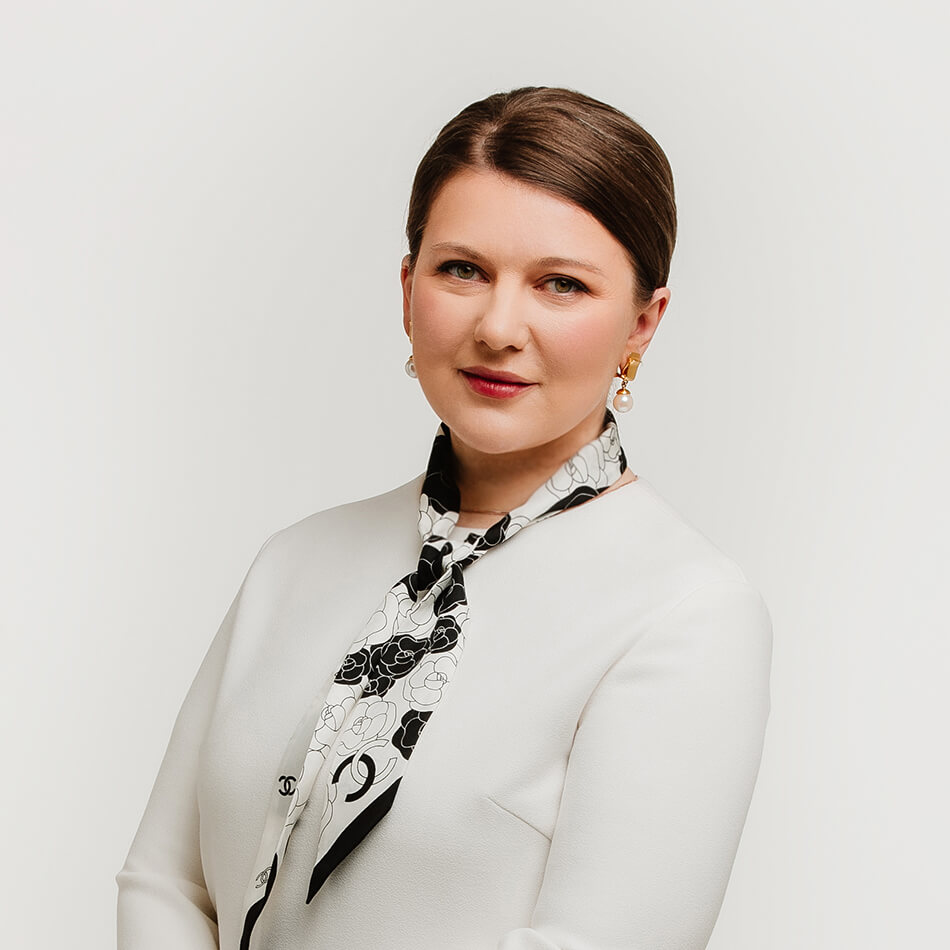
Alena Yartseva (Kuratova)
CEO of Rare Women
Forum Participants

Representatives of the scientific and medical community
NGOs providing assistance and support to orphan families

Public organizations, opinion leaders, media, and celebrities

Representatives of government authorities

Representatives of the international community – patient organizations, rare women, experts
Rare women – women raising children with orphan diseases
Representatives of the scientific and medical community
NGOs providing assistance and support to orphan families
Public organizations, opinion leaders, media, and celebrities
Representatives of government authorities
Representatives of the international community – patient organizations, rare women, experts
Rare women – women raising children with orphan diseases
Key Speakers
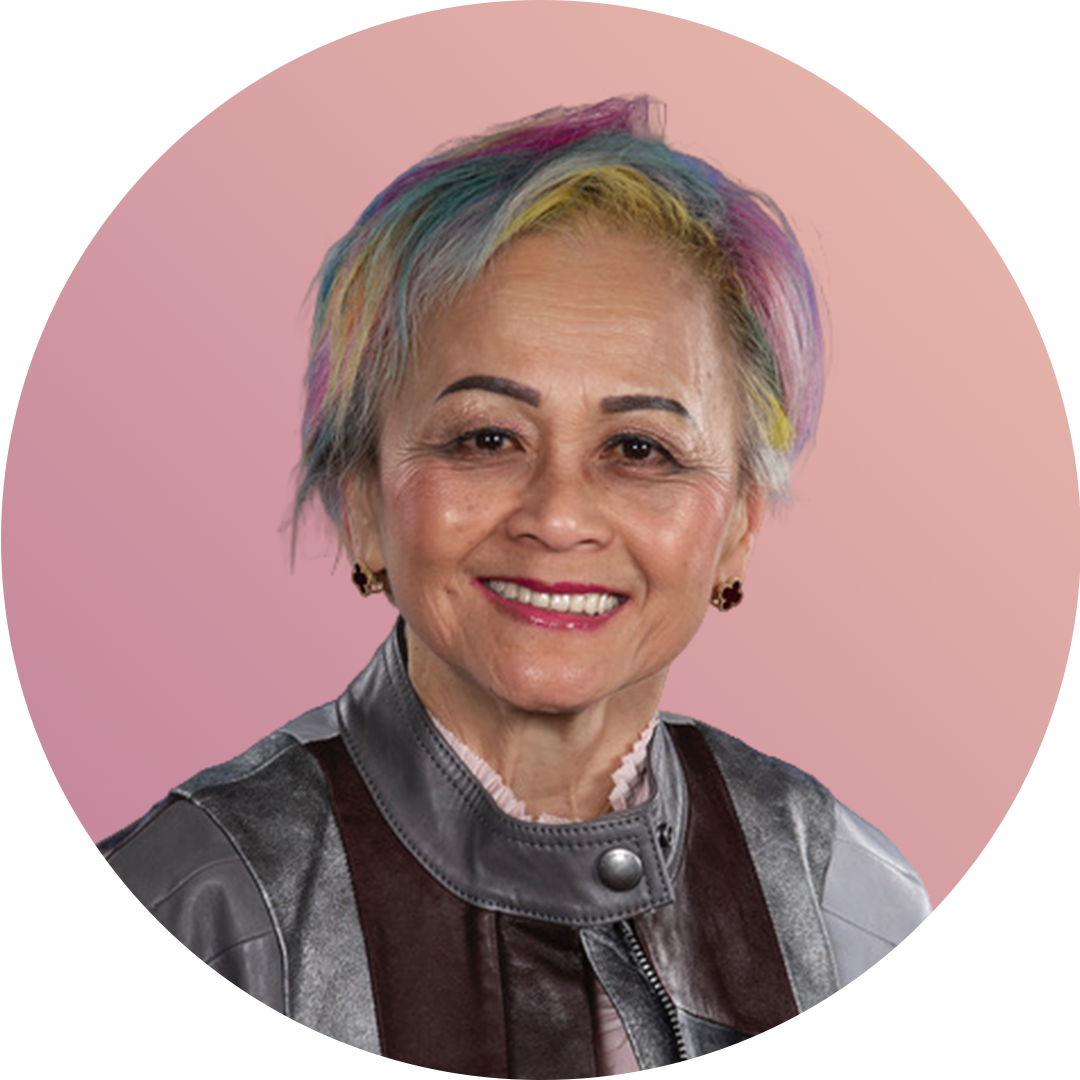
Dr. Durhane Wong-Rieger (Canada)
President of the Canadian Organization for Rare Disorders
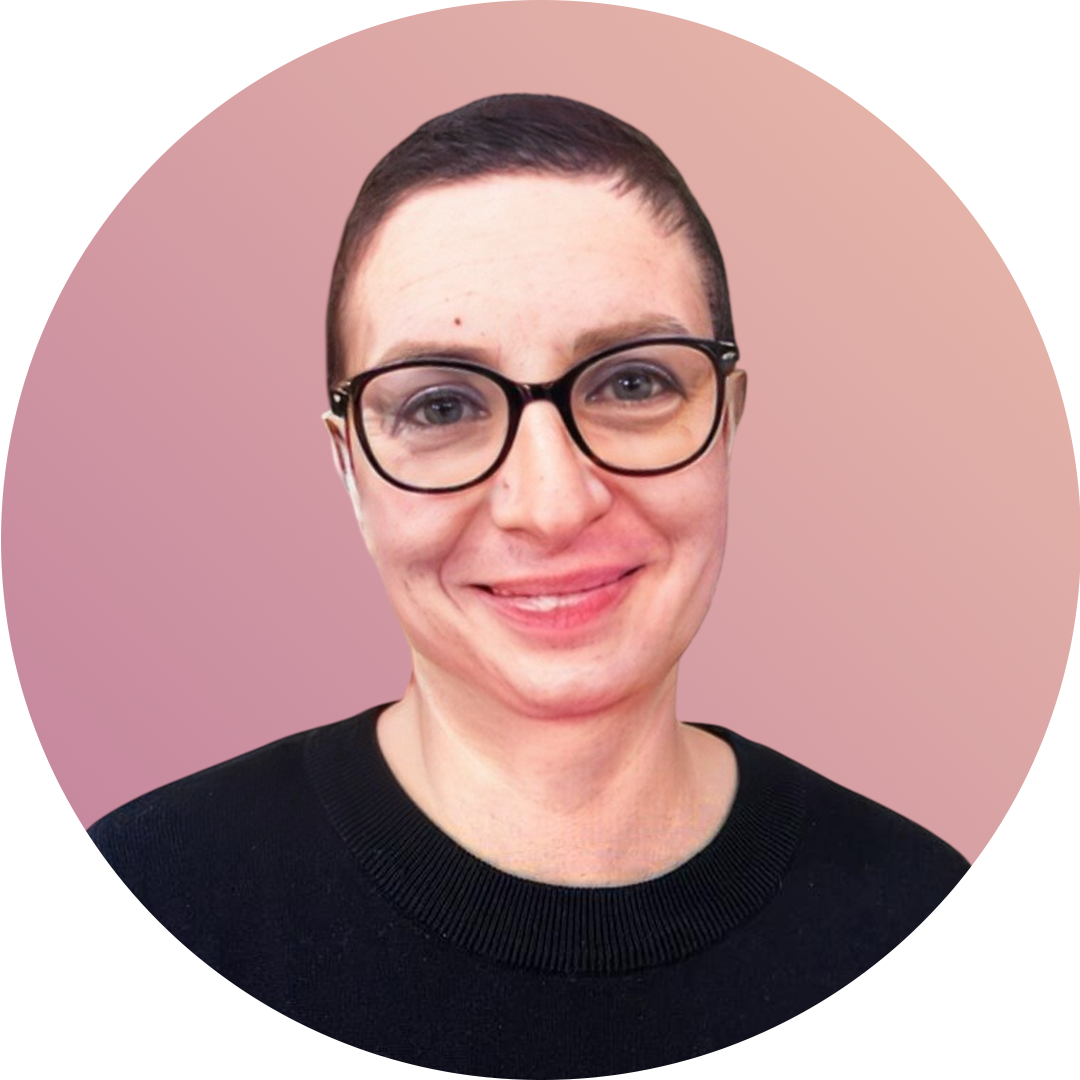
Angélique Sauvestre (France)
President of DEBRA France; Vice-President of DEBRA International
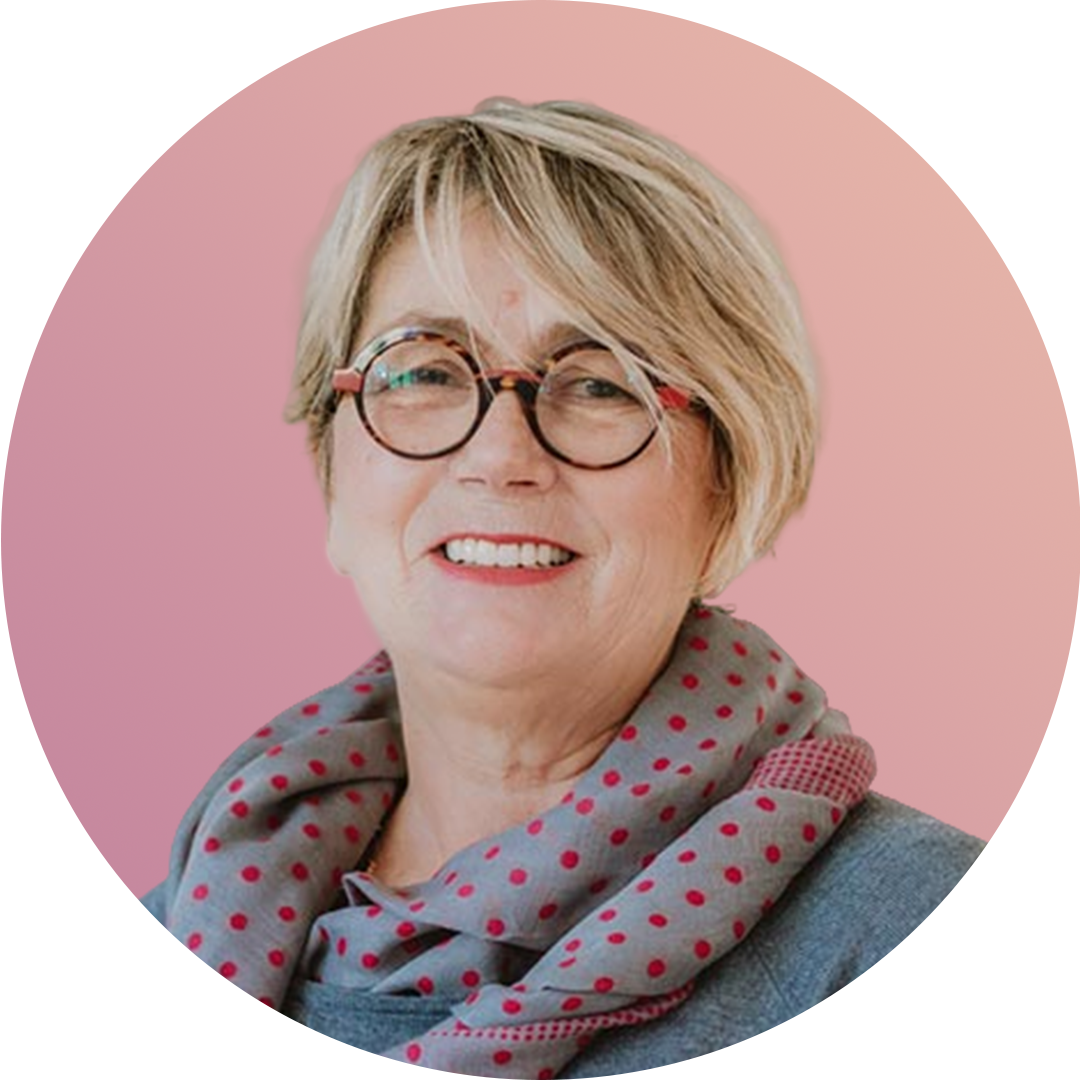
Vlasta Zmazek (Croatia)
President of DEBRA Croatia; Member of the Executive Committee of DEBRA International; Board Member of RareResourceNet
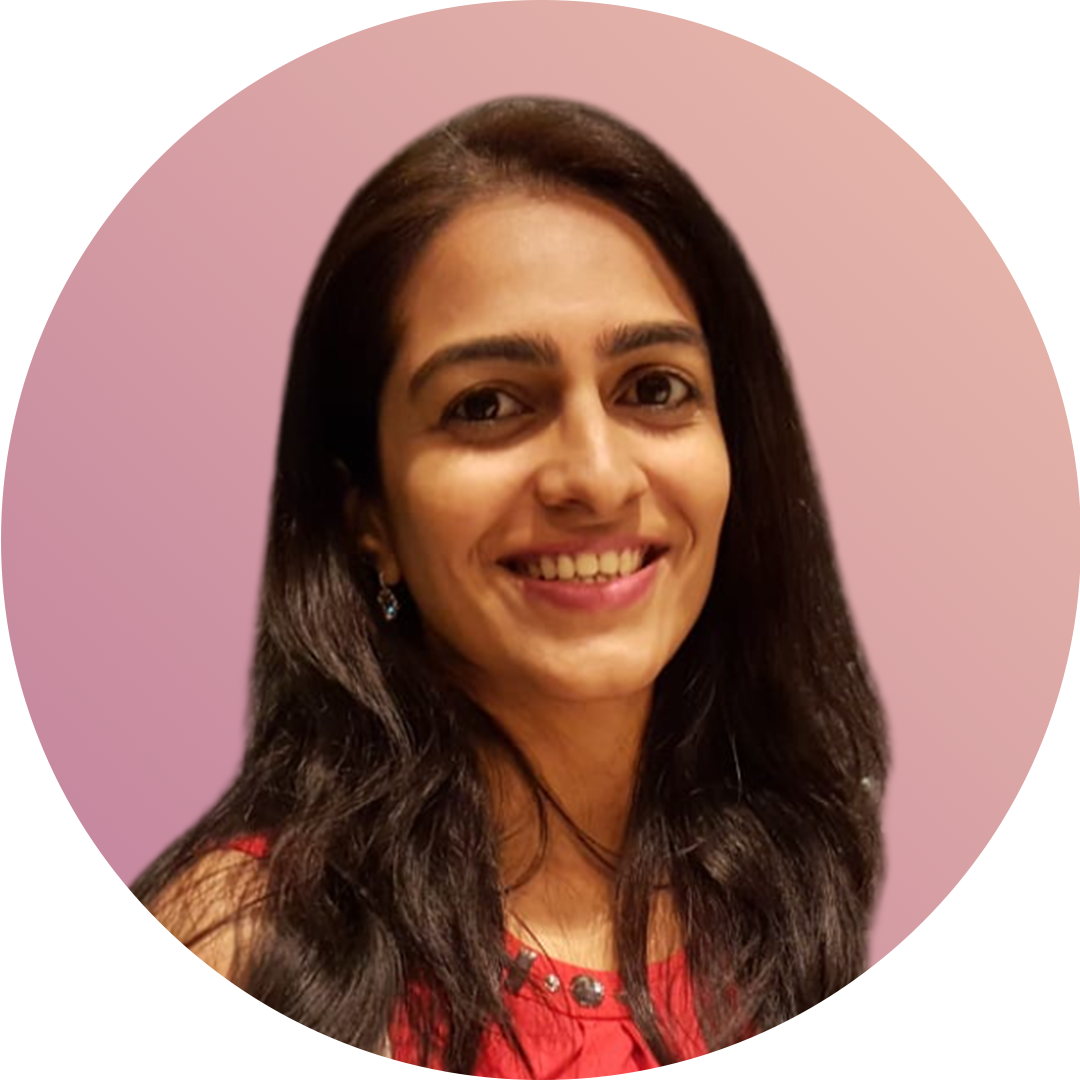
Sushma Gopalan (India)
Clinical Psychologist, PhD; Head of Child Life Services at Manipal Hospital; Founder of Kridavat Child Life and Beyond
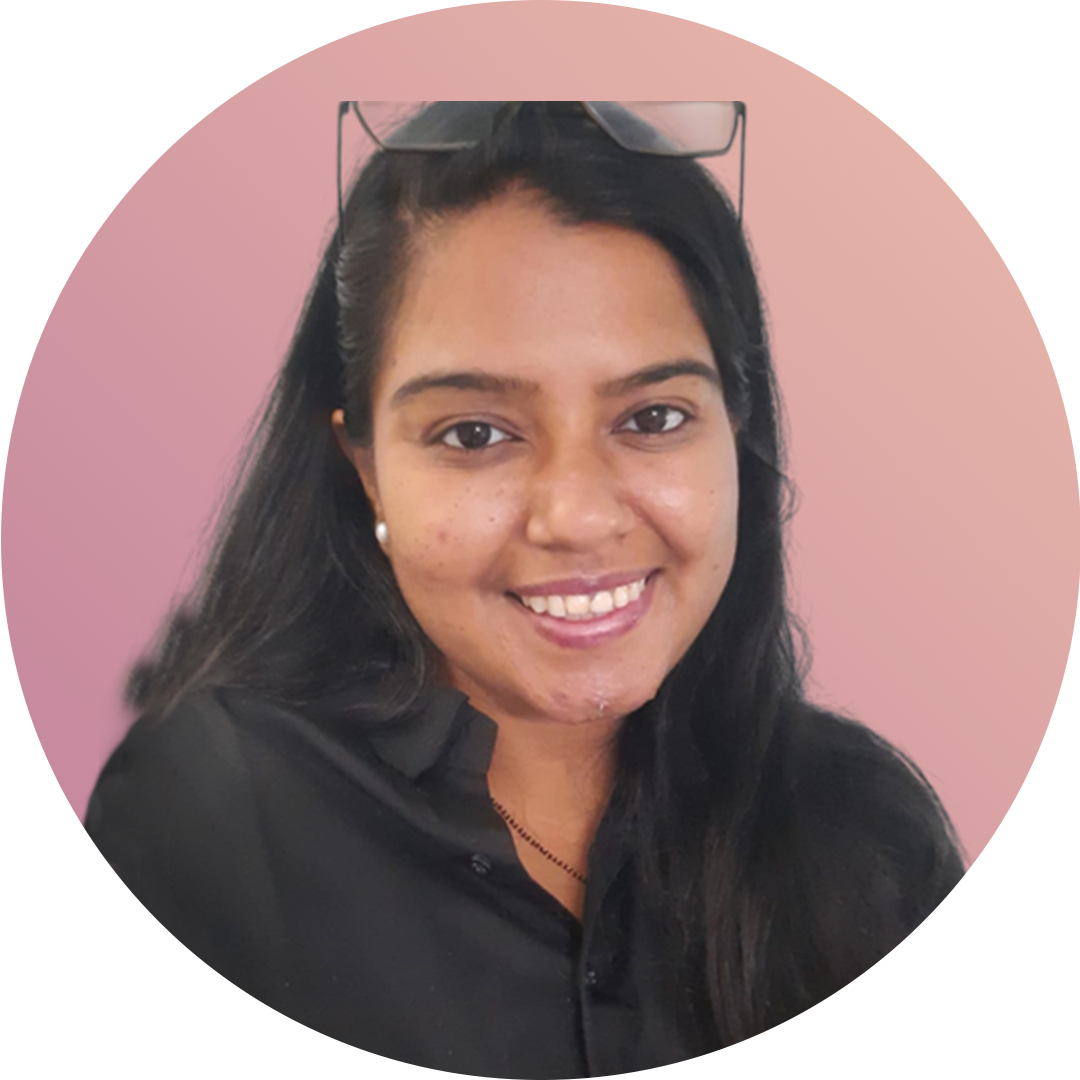
Dr Gayatri Rangarajan Iyer (India)
PhD, Certified Genetic Counsellor, Scientist - Tata Institute for Genetics and Society, Joint Secretary - Board of Genetic Counseling India
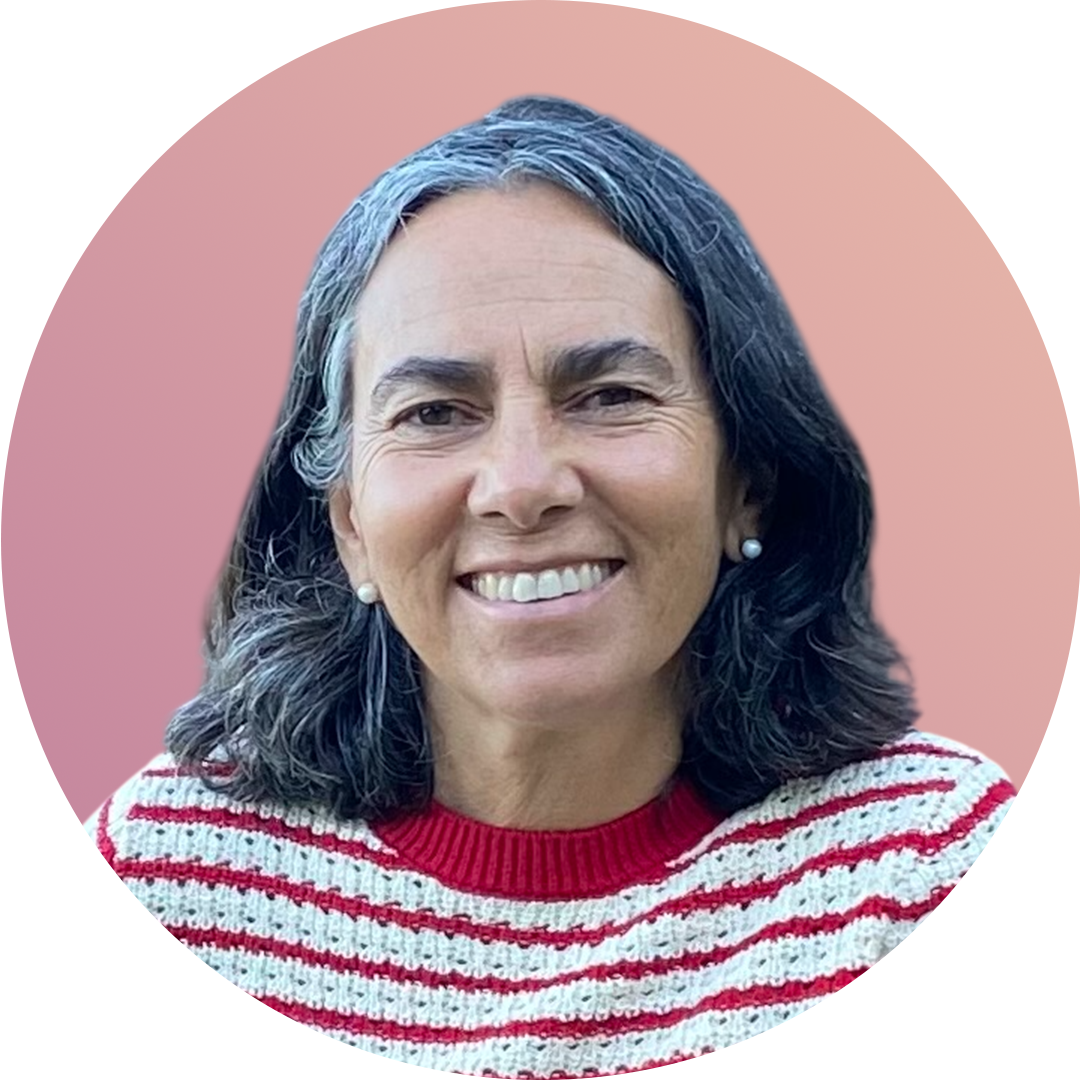
Mercedes Alessandri (Chile)
Coordinator of the DEBRA Chile Home Nursing Care Program; Registered Nurse
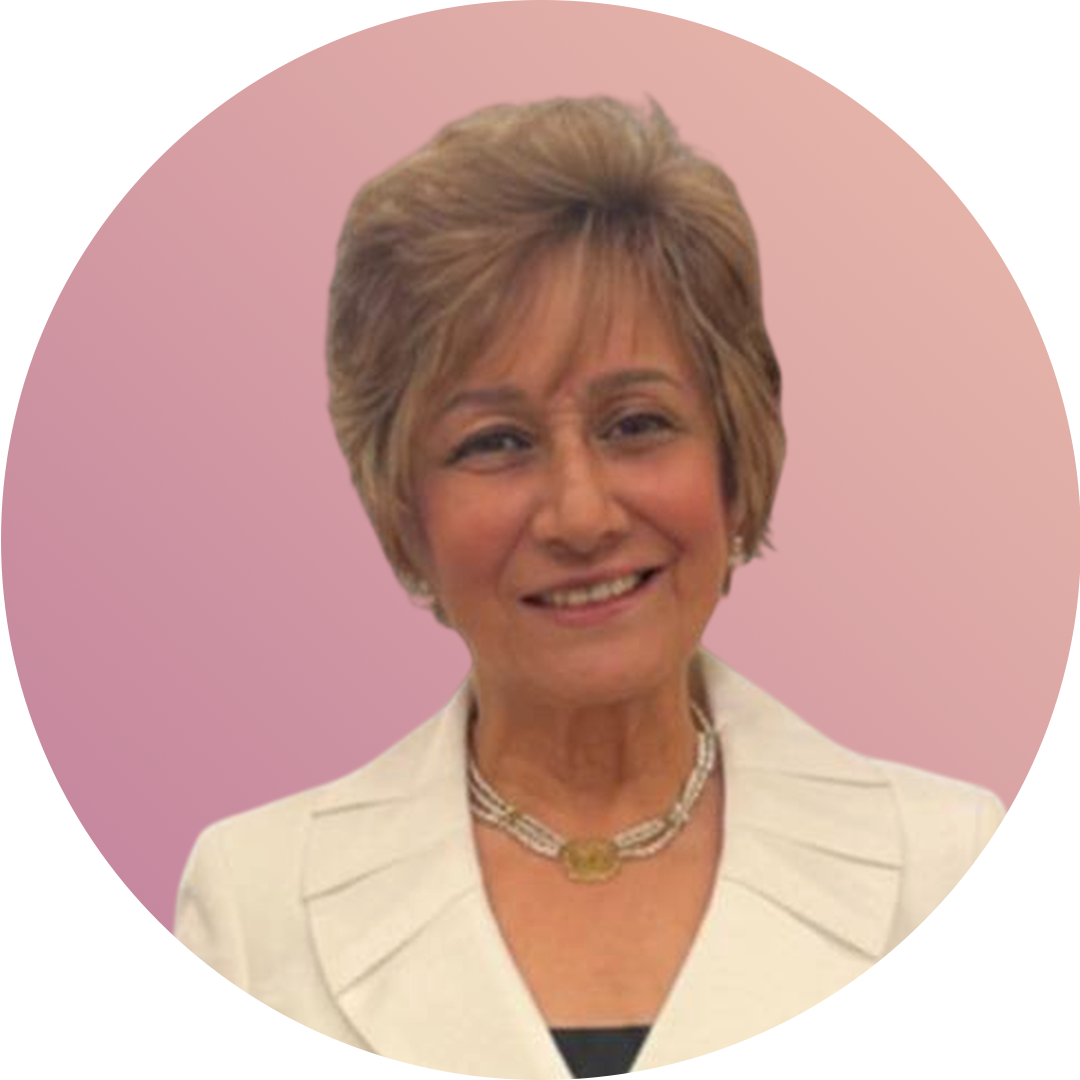
Nada Alfy Thabet (Egypt)
Nobel Peace Prize Nominee; Member of the Egyptian Parliament (House of Representatives); Member of the Supreme Advisory Committee for the Rights of Persons with Disabilities; Founder of the Village of Hope
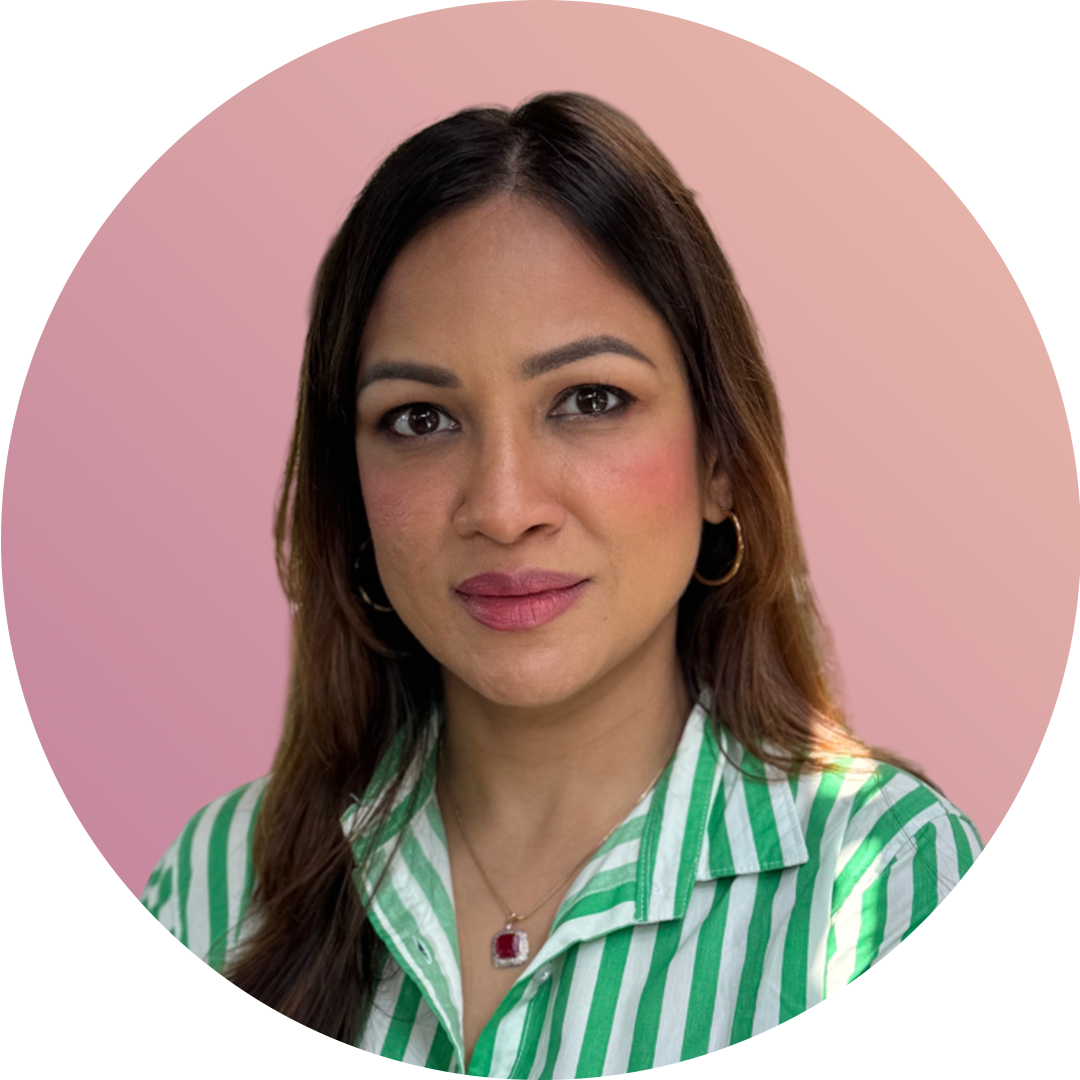
Shikha Metharamani (India)
President and Founder of the Indian Prader-Willi Syndrome Association (IPWSA)
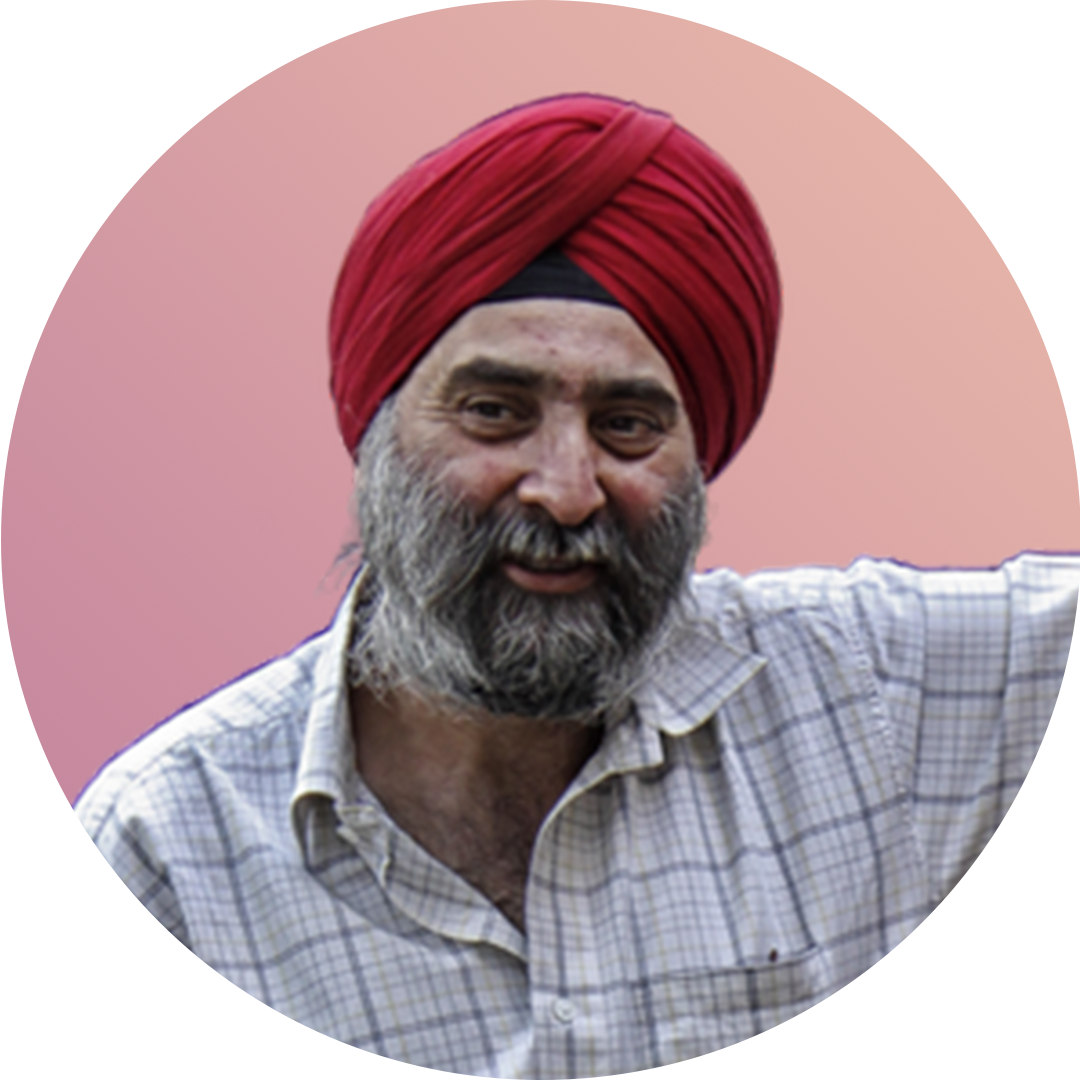
Ravdeep Singh Anand (India)
Founder and President of the Dystrophy Annihilation Research Trust (DART)
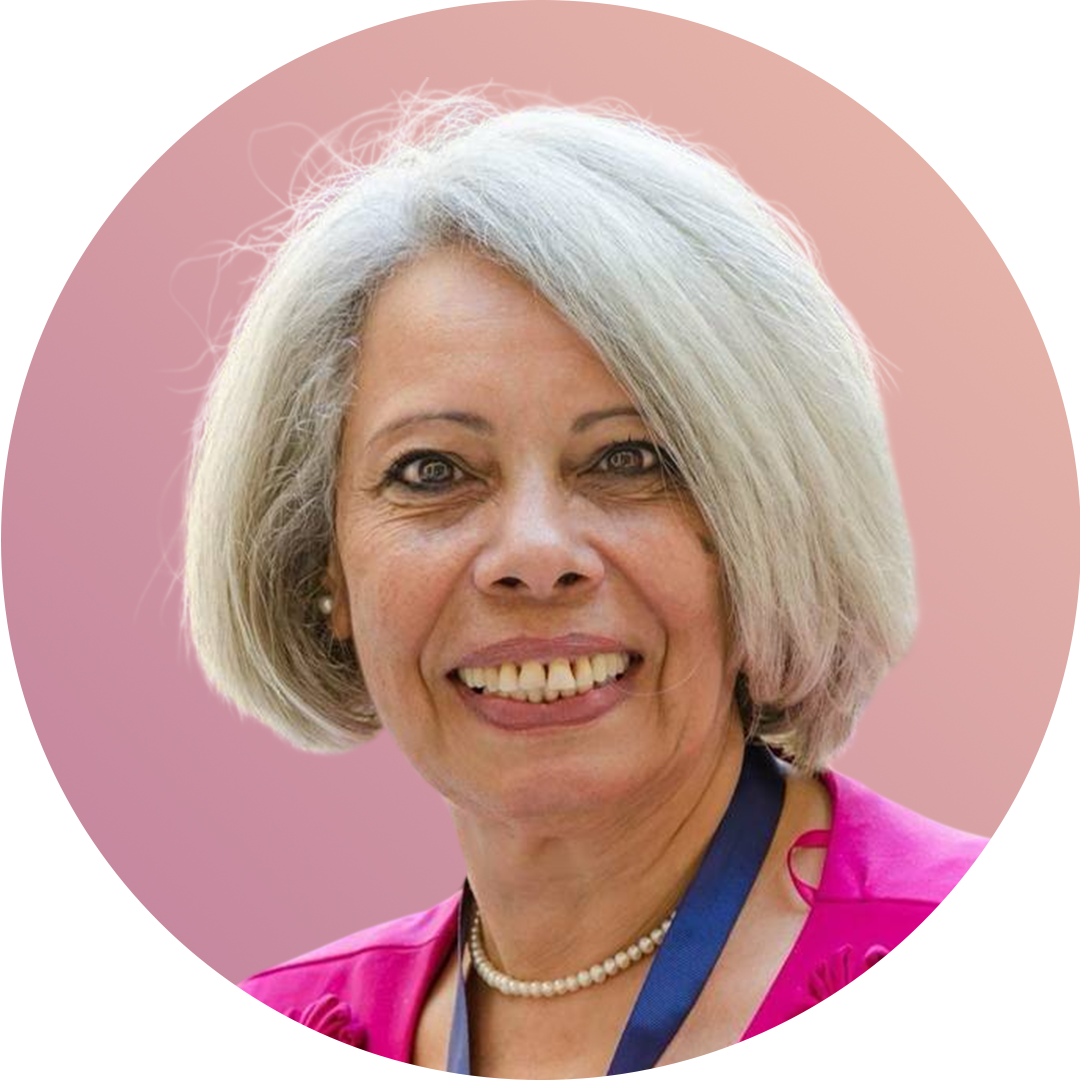
Clair Malik (Egypt)
Founder and Director of the Deaf Unit at the Diocese of Egypt of the Anglican Church in Cairo
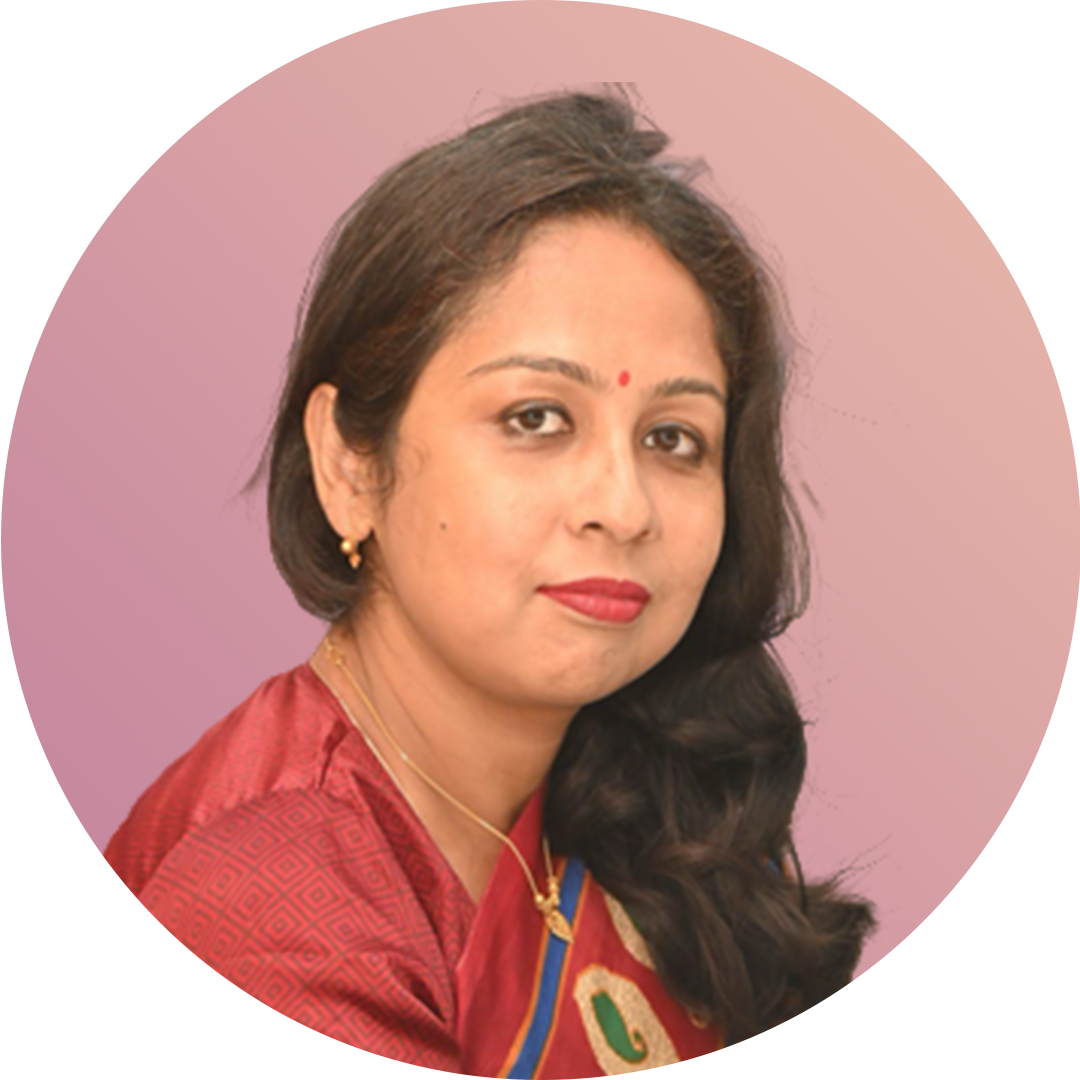
Bithika Ghosh (India)
Secretary of the Muscular Dystrophy Patients' Welfare Society, initiator of the state Rare Disease Clinics project
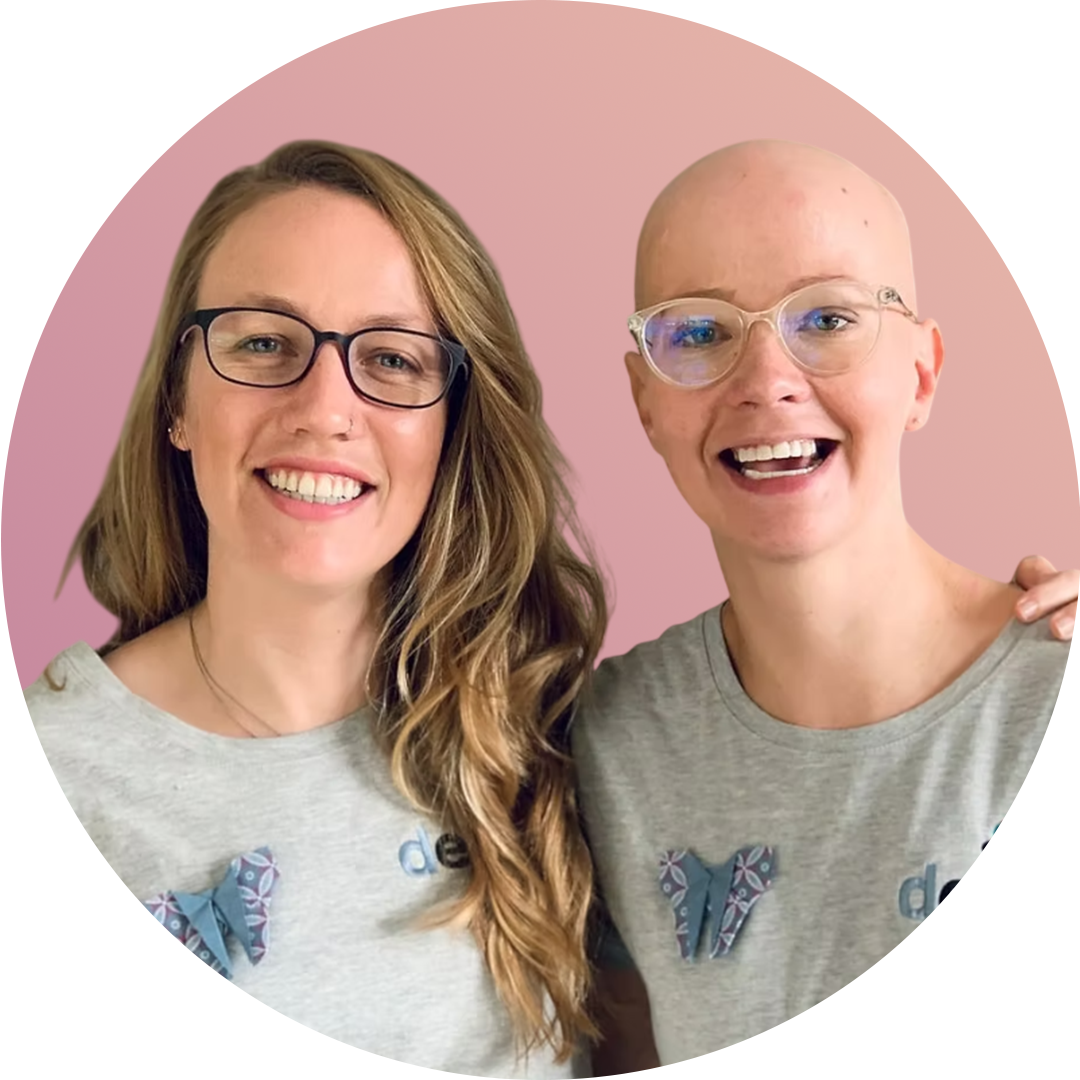
Toni Roberts and Cady Ward (South Africa)
Co-founders of DEBRA South Africa
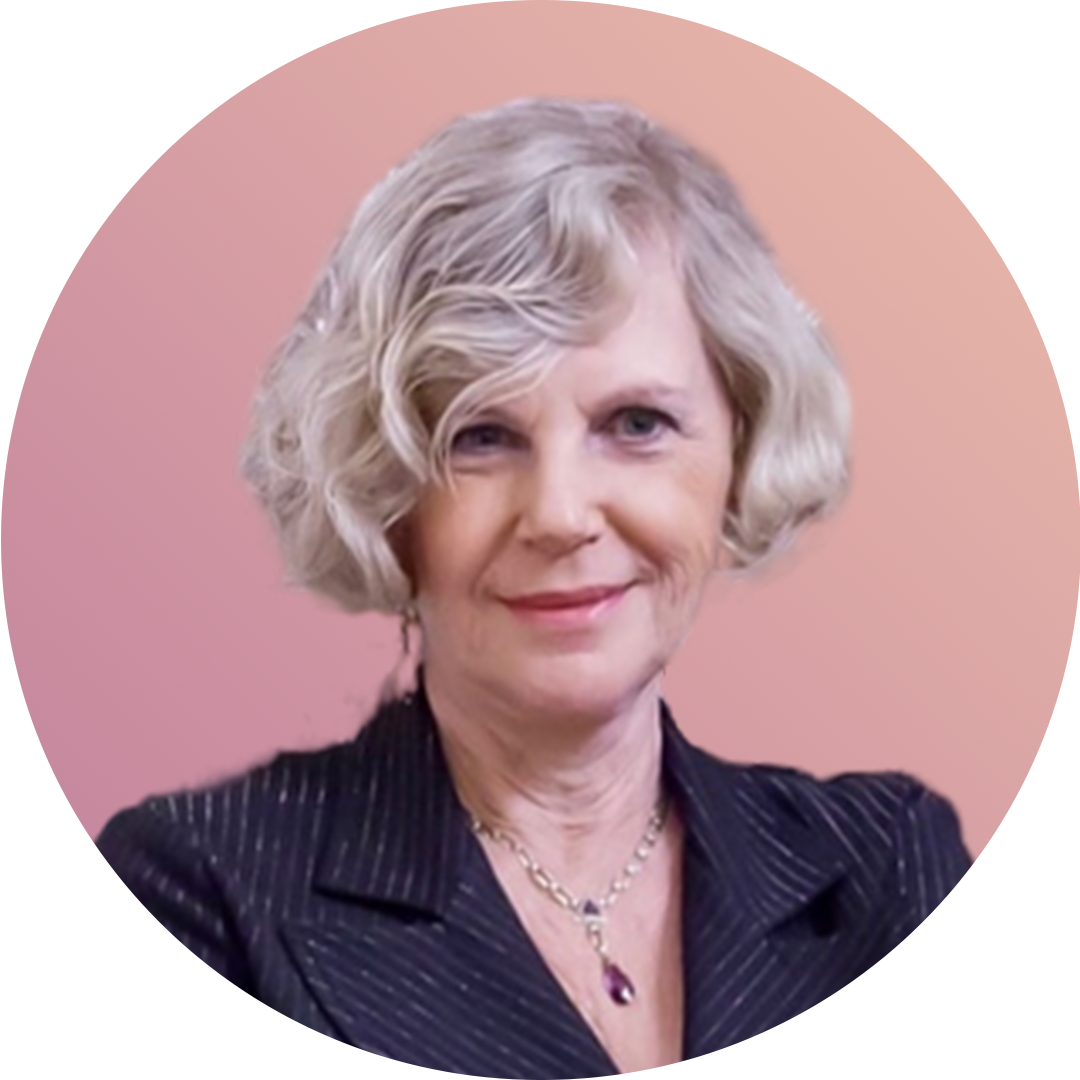
Sophia Pesotchinsky (USA)
Founder of the Vera Pesotchinsky Research Foundation; Member of NTSAD
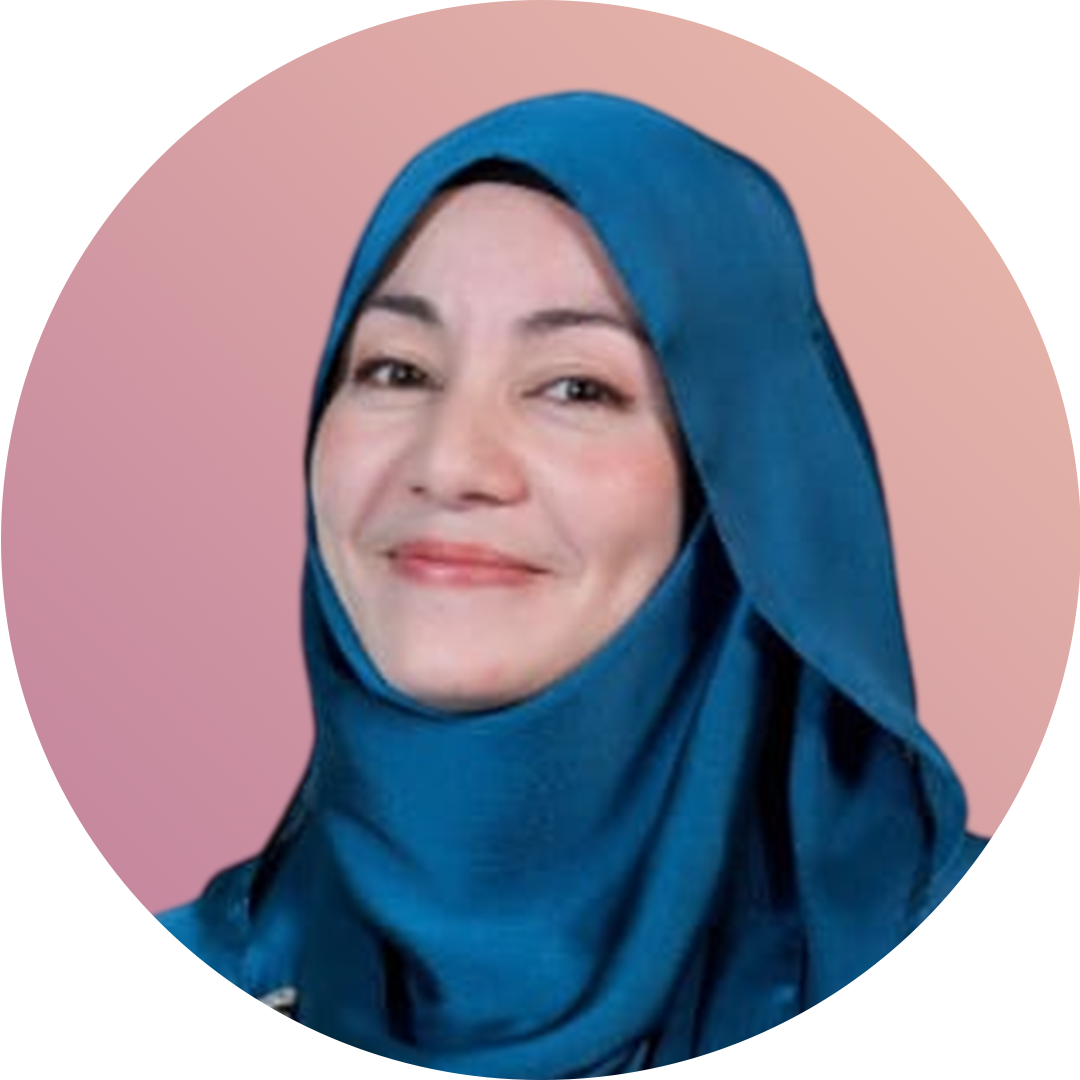
Nadiah Hanim Abdul Latif (Malaysia)
President of the Malaysian Rare Disorders Society (MRDS)
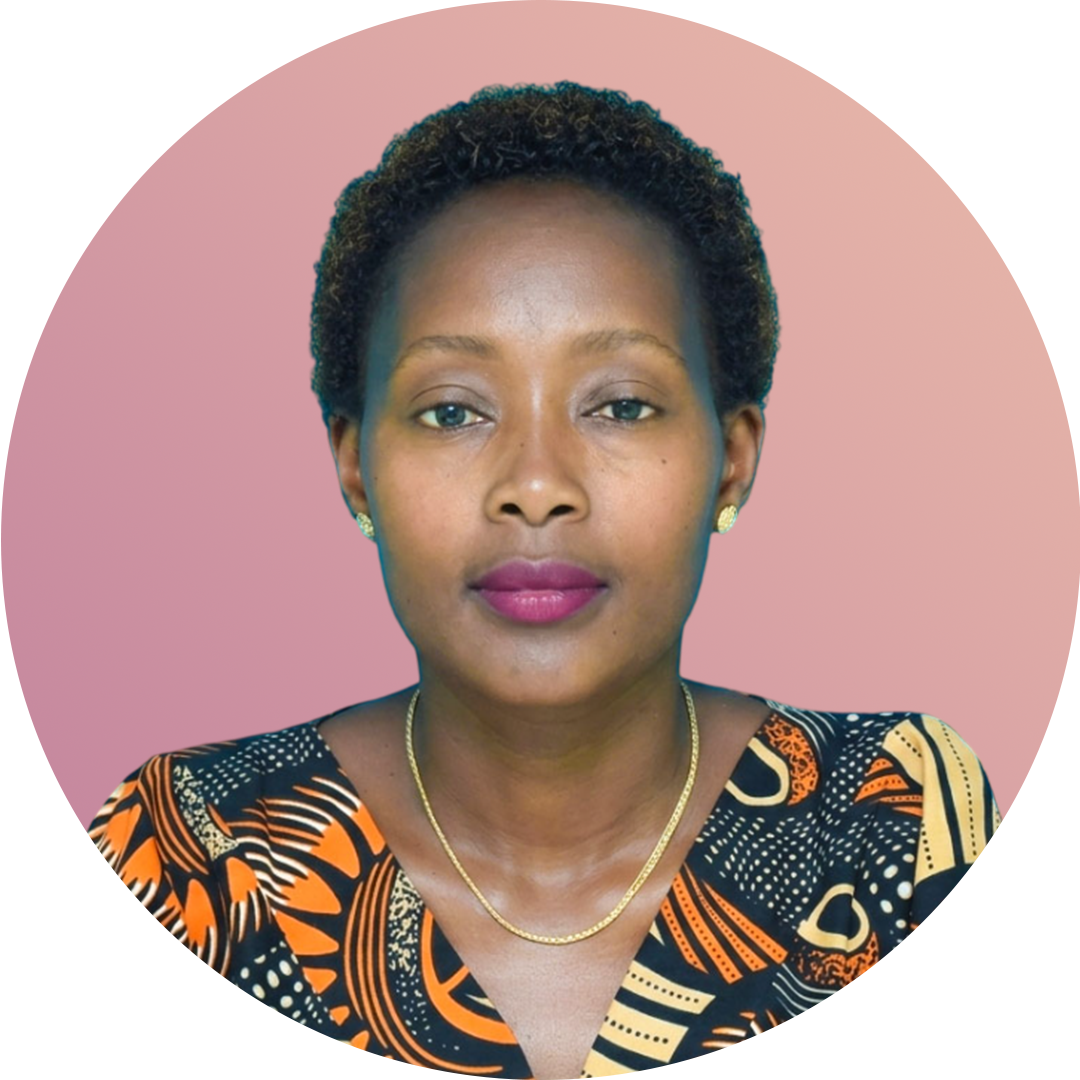
Priscilla Vicent Chassama (Tanzania)
Co-Founder, Tanzania Sicklecell Warriors Organisation (TASIWA), and a sickle cell disease advocate
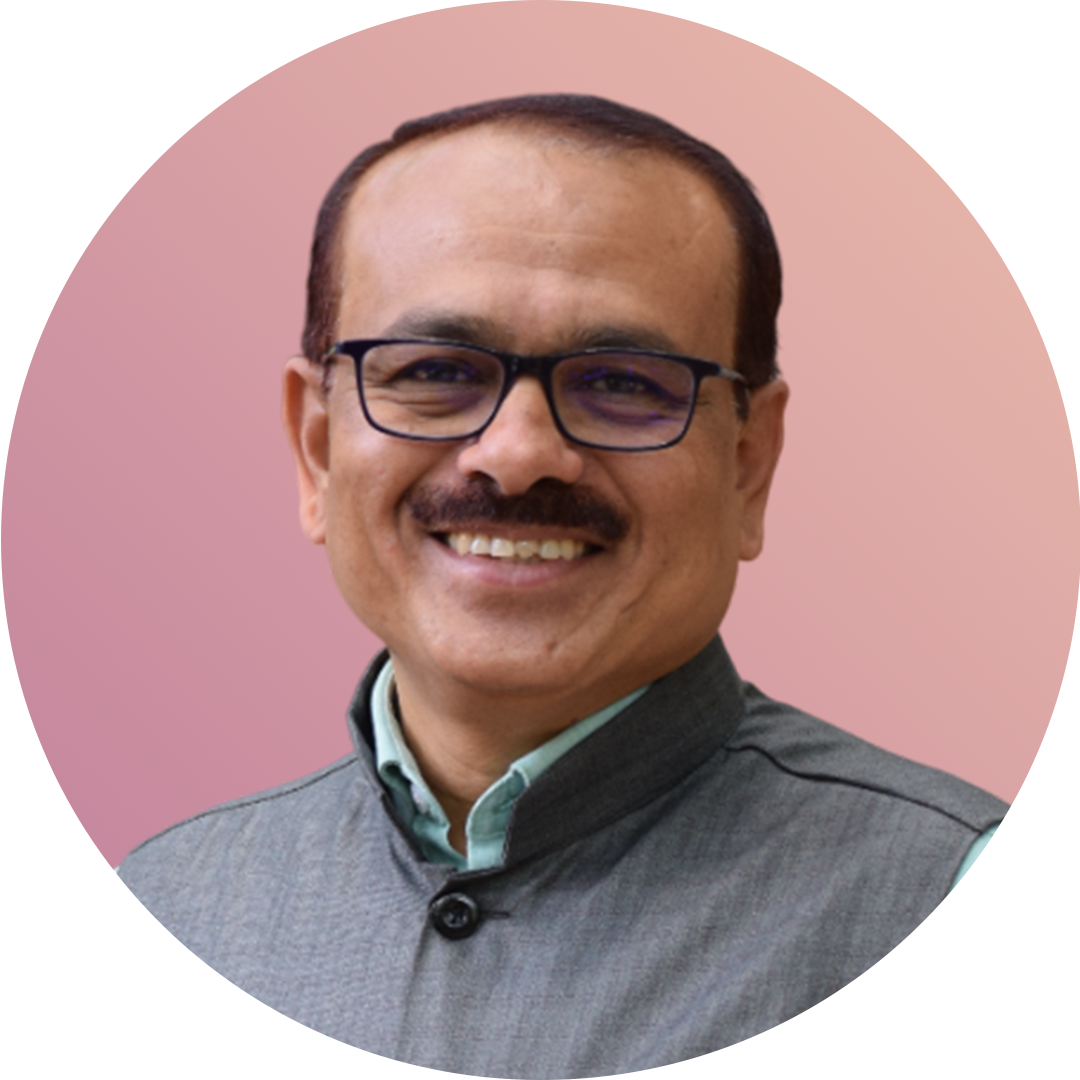
Prasanna Kumar Shirol (India)
Co-founder and Executive Director of ORDI (Organization for Rare Diseases India)
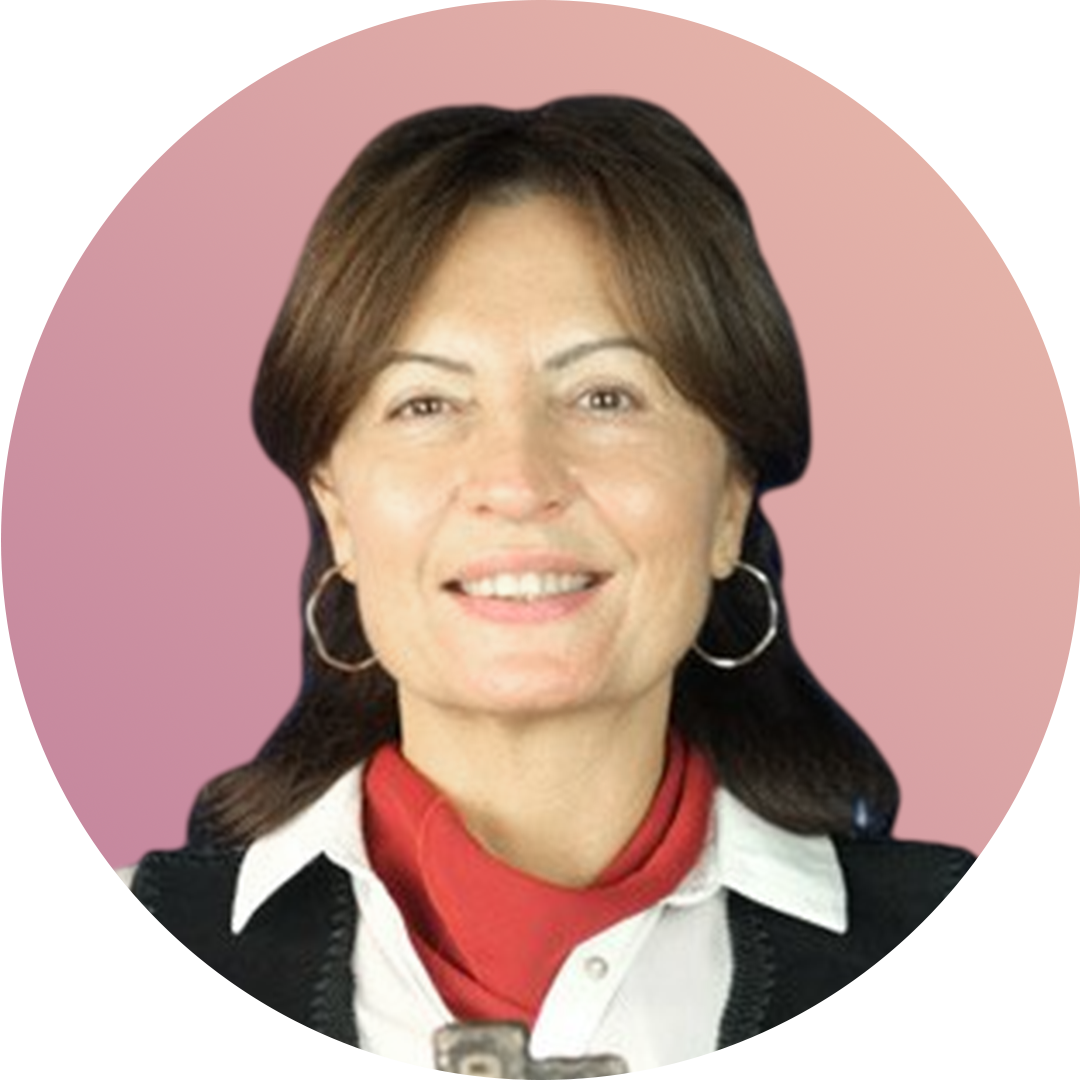
Deniz Yılmaz Atakay (Türkiye)
Founder of the PKU Family Association in Türkiye; ESPKU TürkiyeDelegate, GAP Trustee, Trustee and Chairwoman of the Rare Diseases Federation of Türkiye;
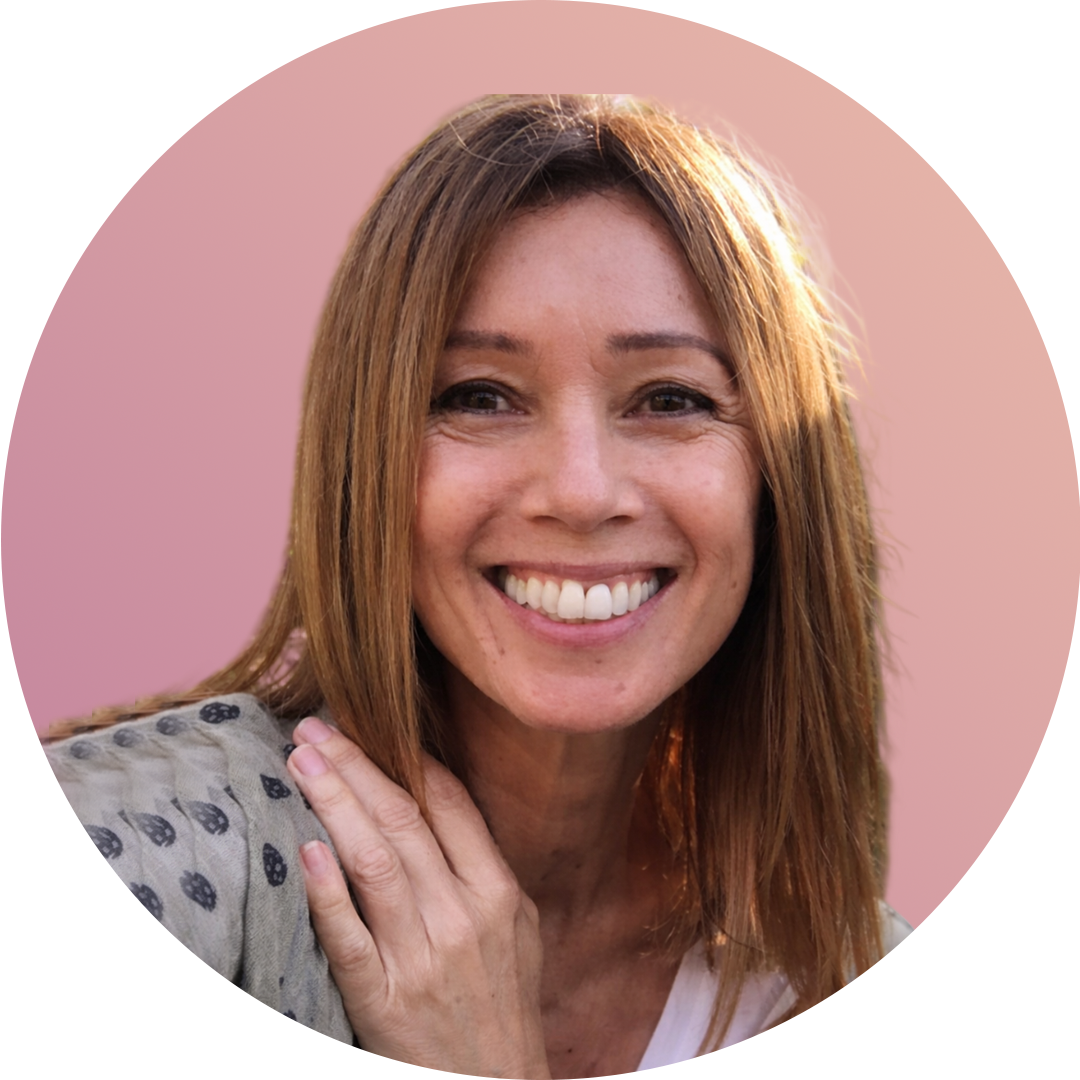
Catherine Jayasuriya (USA)
Founder and Executive Director of Coalition Duchenne; Director, Producer
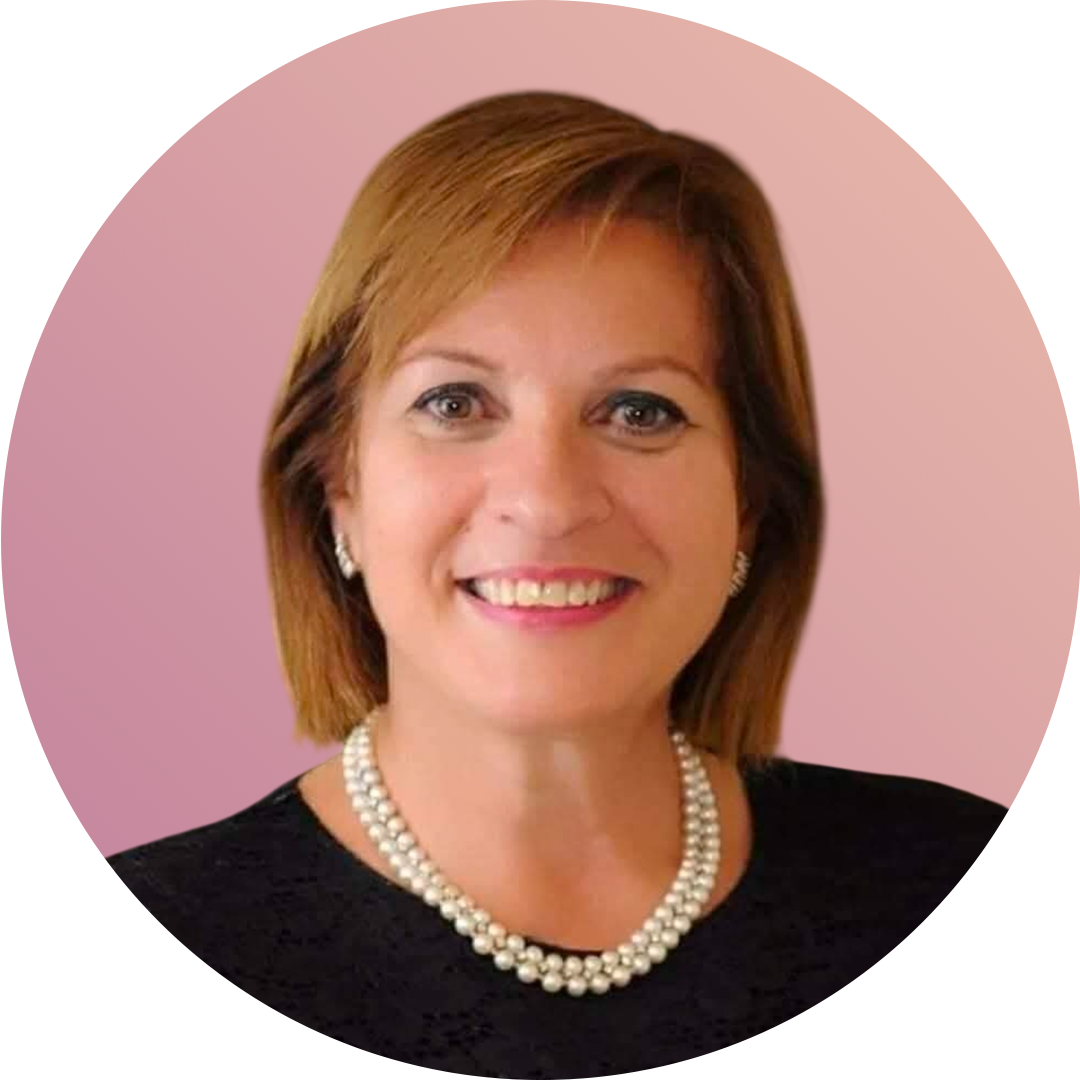
Hanaa El-Sadat (Egypt)
Founder of the Yasmine El Samra Foundation – DEBRA Egypt; Member of the Executive Committee of DEBRA International
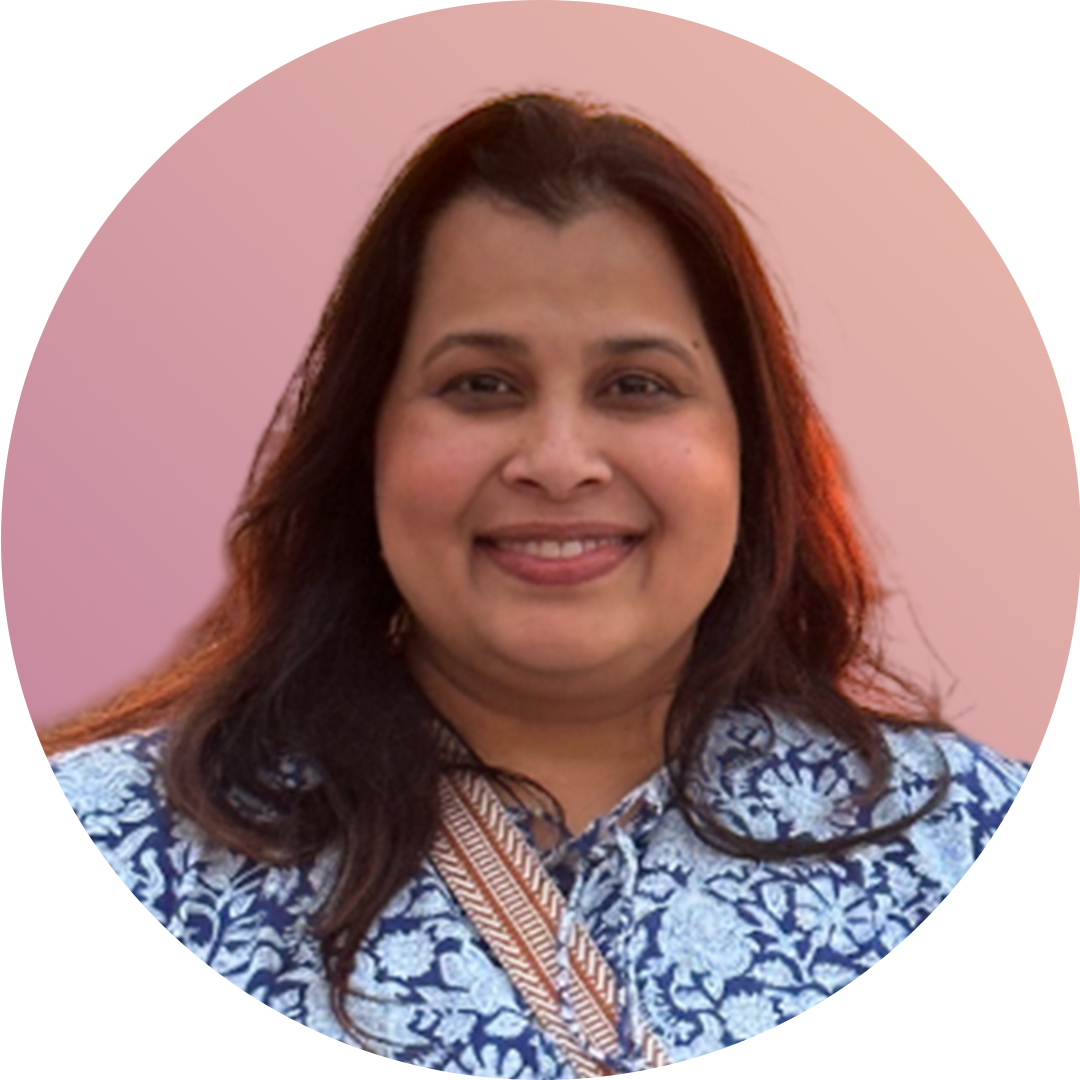
Parvathy Krishnan (USA)
President of the Parvathy Krishnan Family Foundation
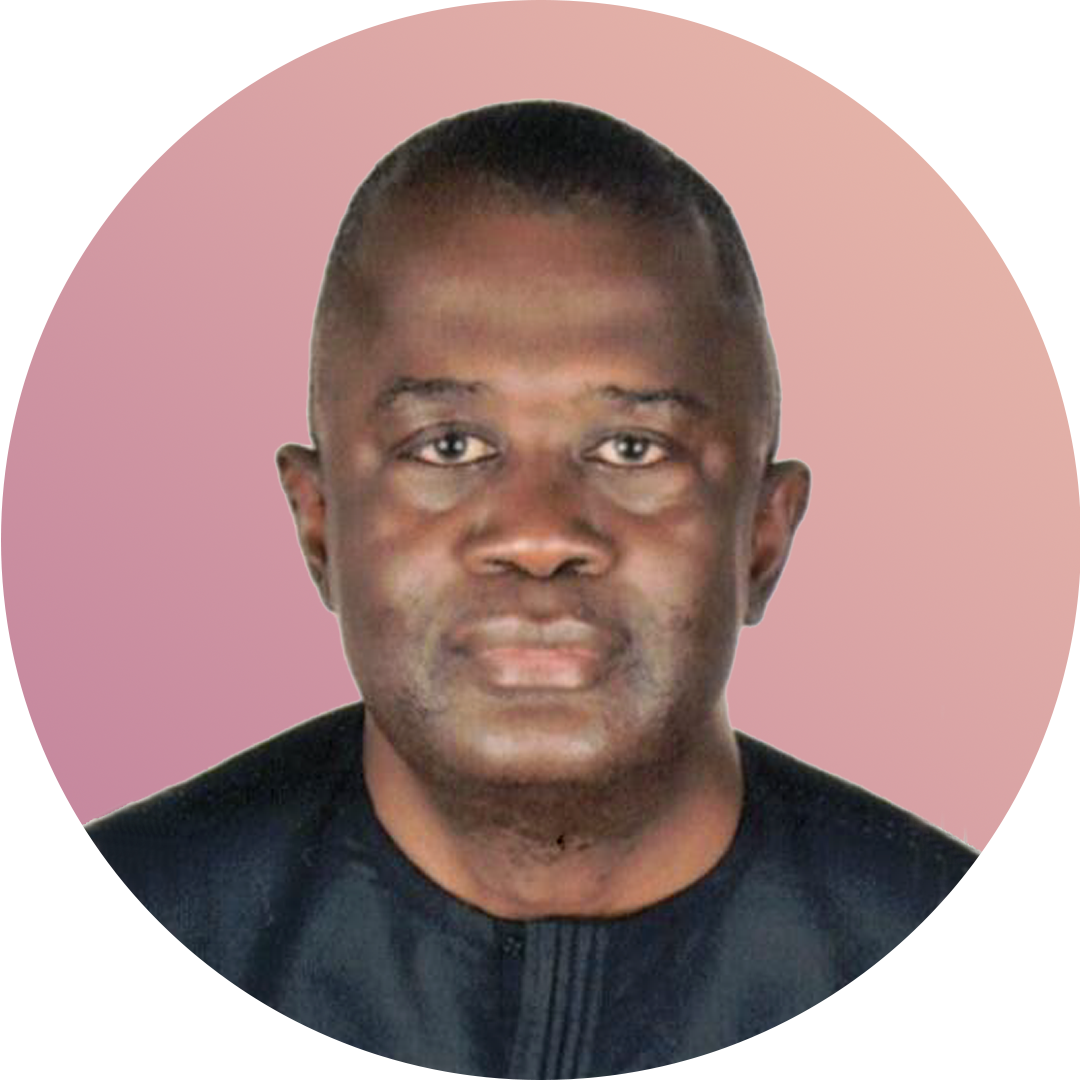
Dr. Omar Jagne (Gambia)
CEO of Africmed International Hospitals. Chairman of Medical and AntiDoping Committee of Gambia National Olympic Committee
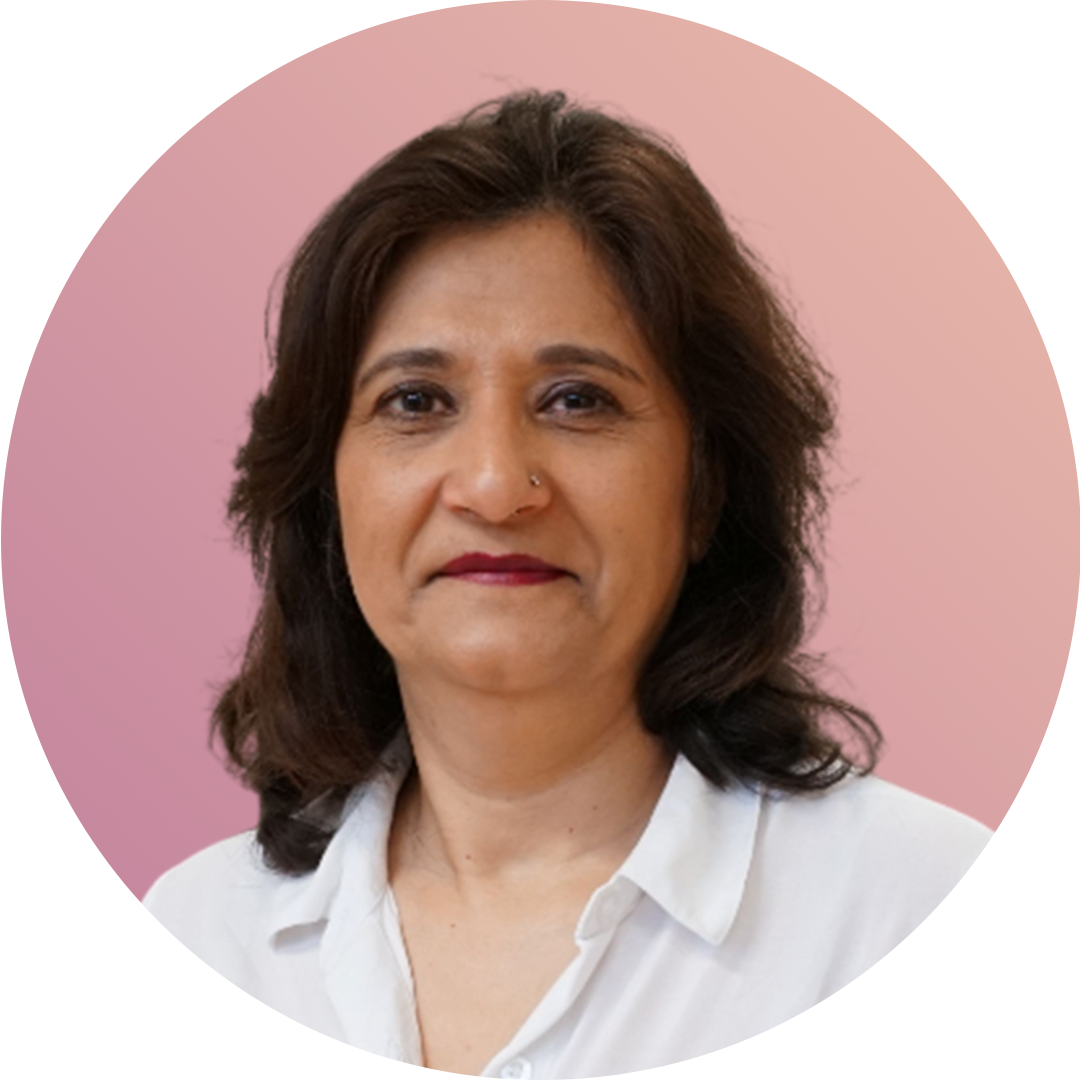
Sheela Upadhyaya (UK)
Founder of Rarely Ordinary, a rare disease specialist consultancy. Co- Chair of HTAi Rare Disease Interest Group
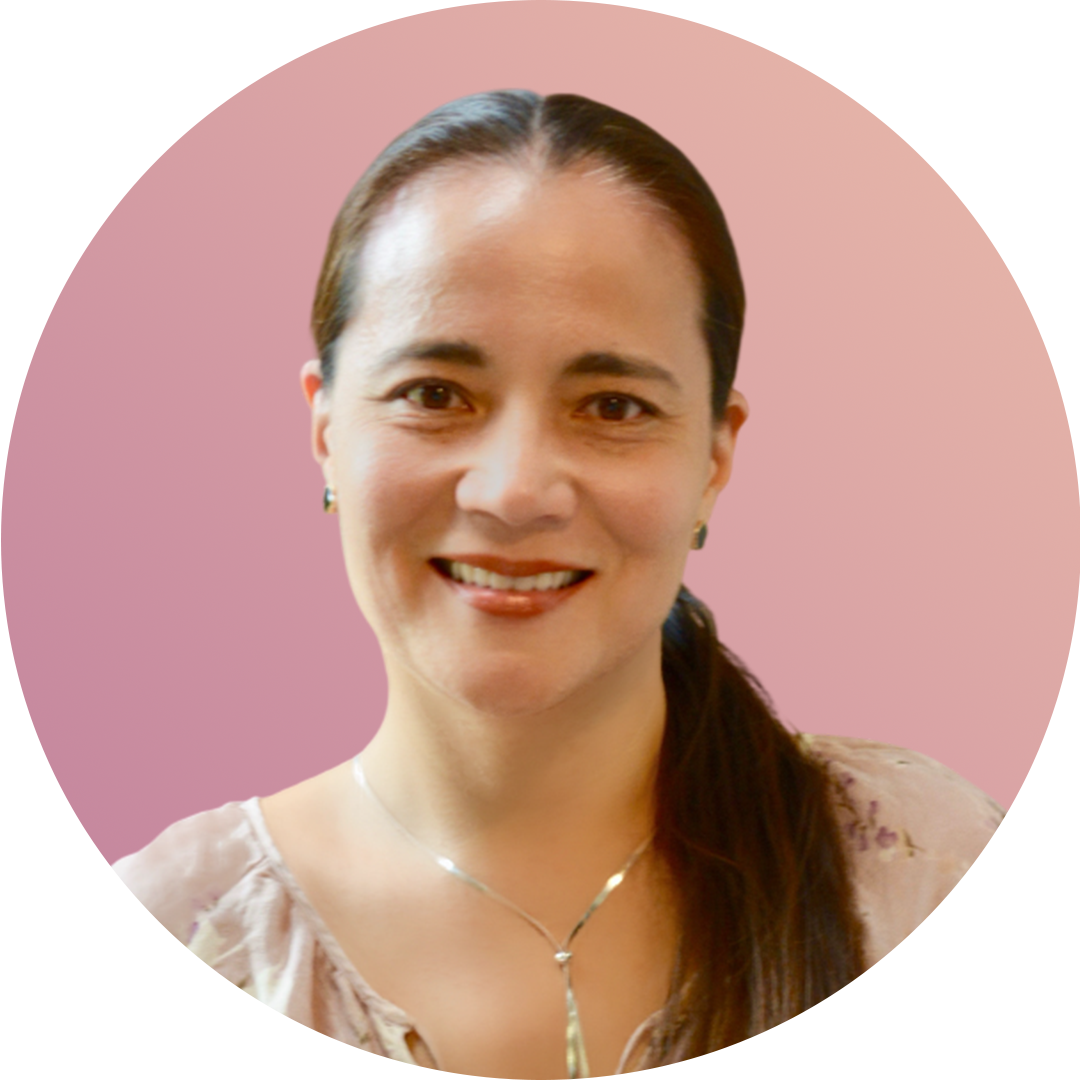
Setsuko Shiraishi (Mexico)
Executive Director of DEBRA Mexico and Member of the Executive Committee of DEBRA International.
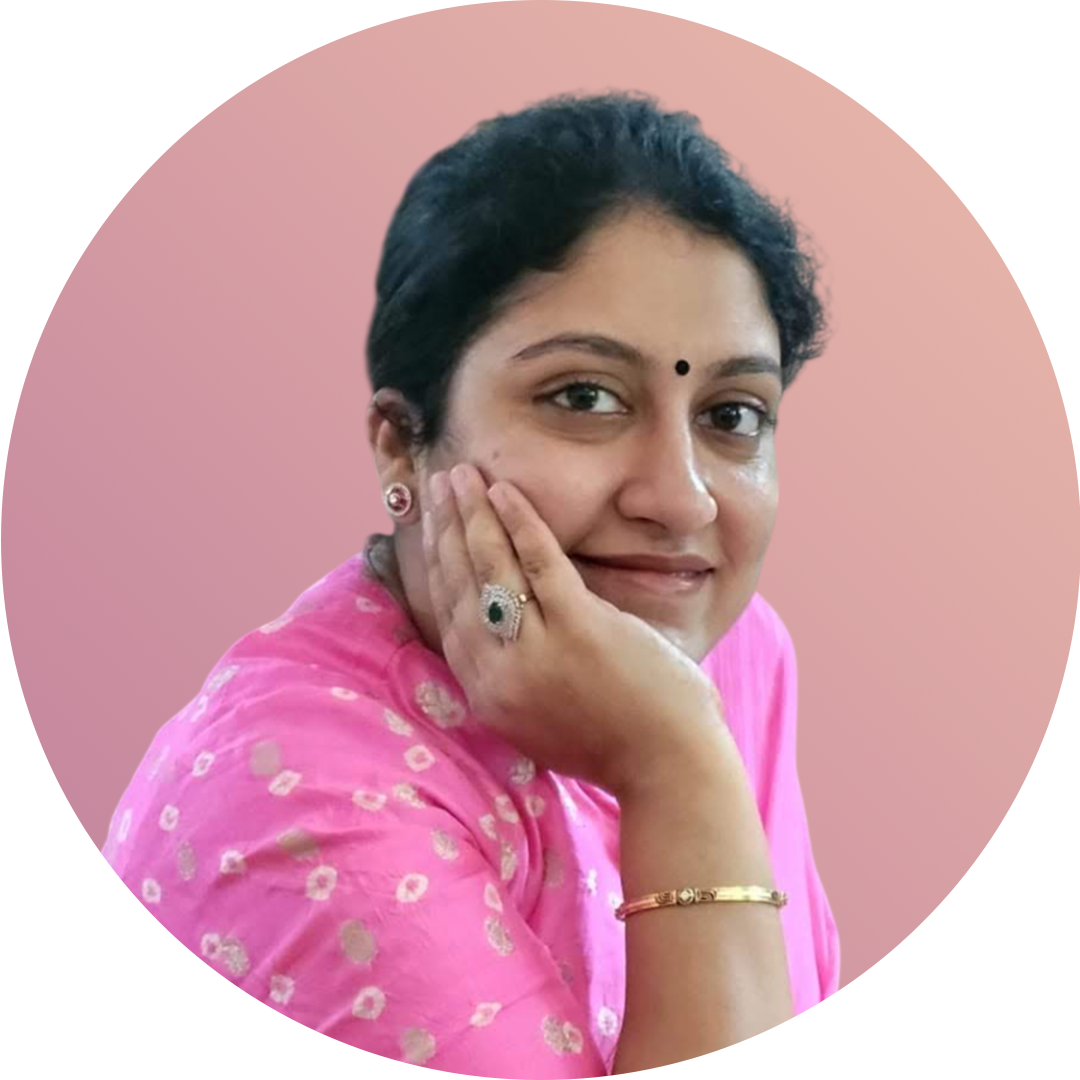
Shruti Gupta (India)
Founder of LAMA2India
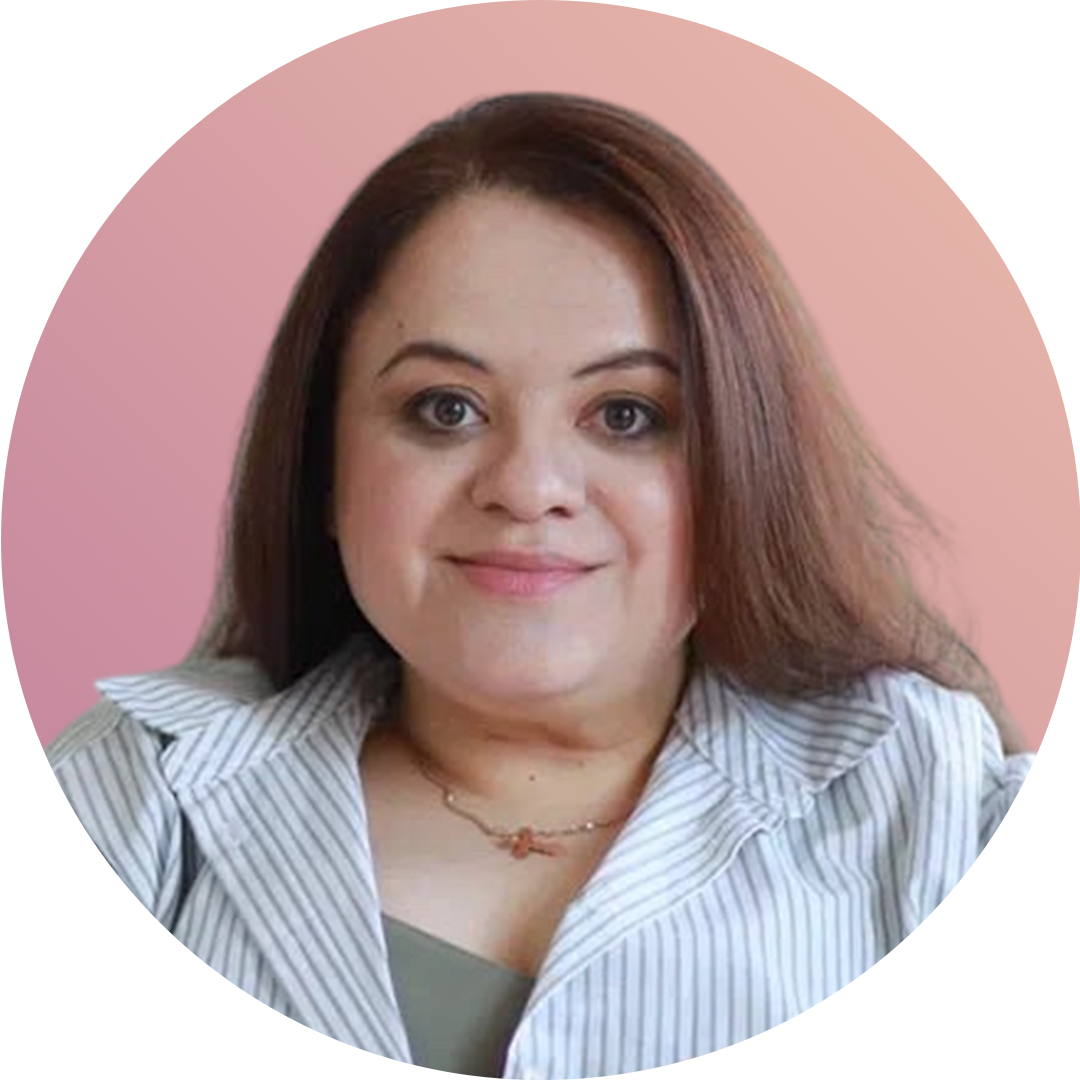
Natalia Skrebtsova (Russia)
Executive Director of the Butterfly Children Foundation
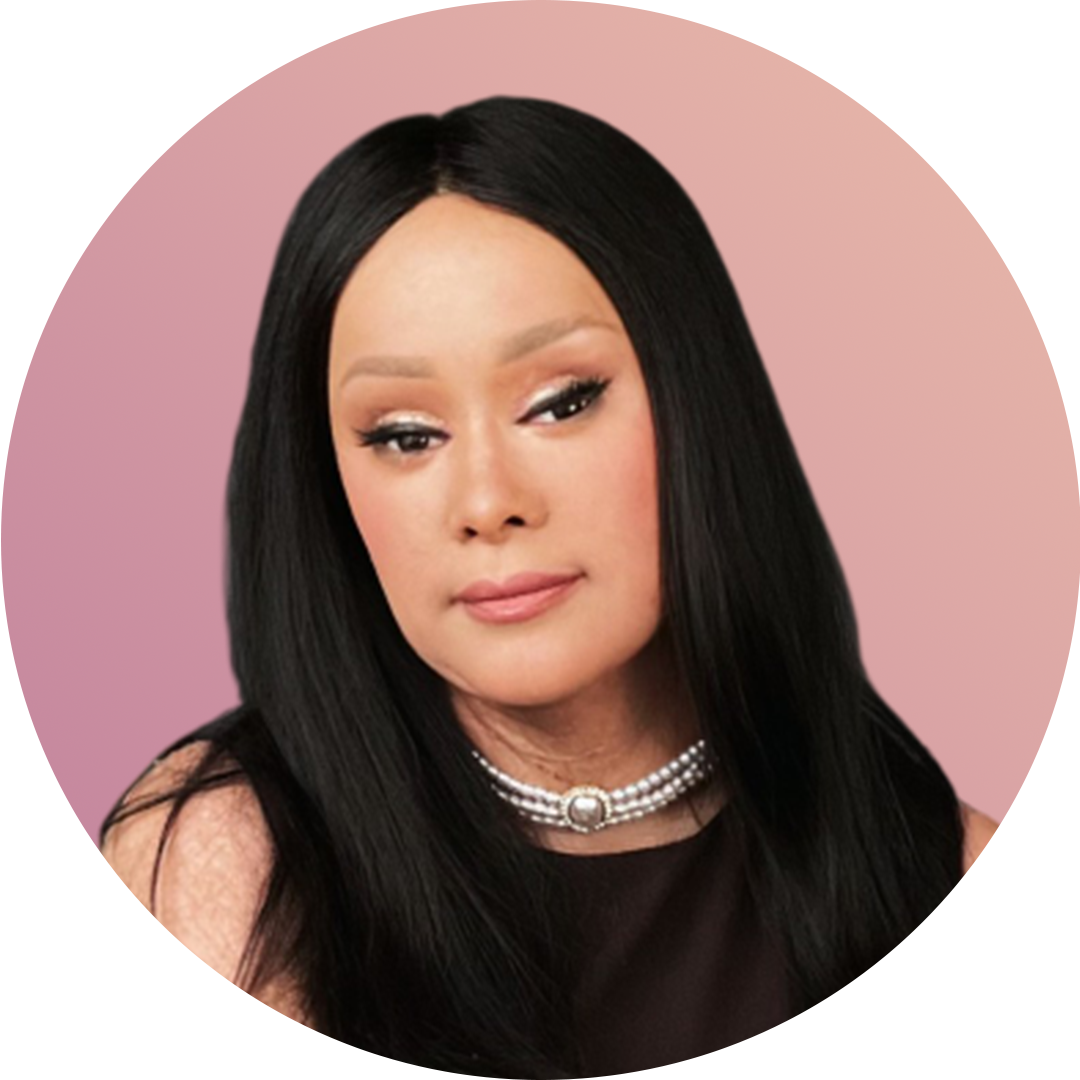
Veronika Volokha (Russia)
Chair of the Khabarovsk District branch of the All-Russian Society of Disabled Persons (VOI). Educator and organizer of adaptive cultural and community events for people with disabilities
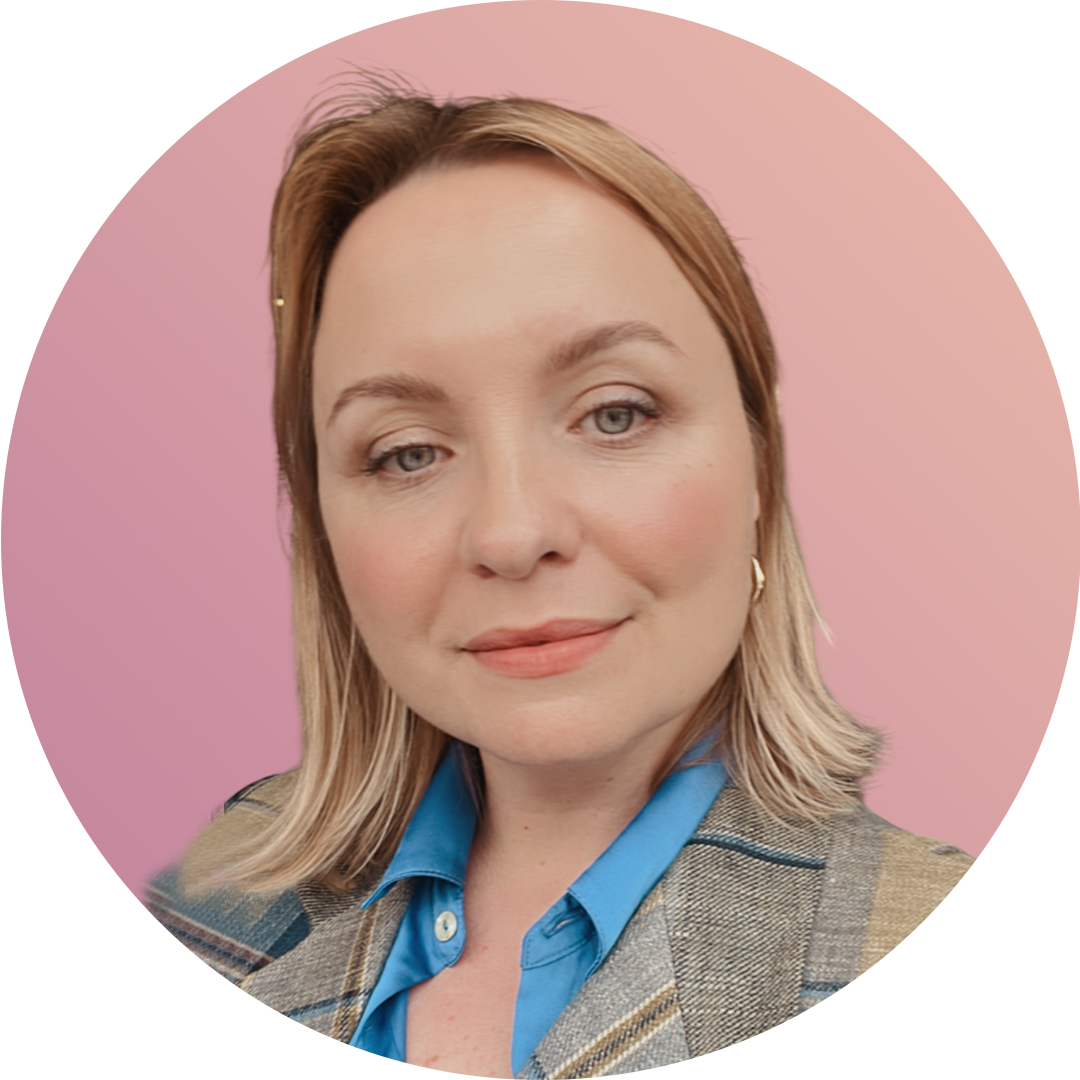
Anastasia Sherikhora (Russia)
Board Member of Cystic Fibrosis Parents’ Association “In One Breath”; founder of CF Kids online group; interpreter and intercultural communication specialist; licensed Moscow tour guide
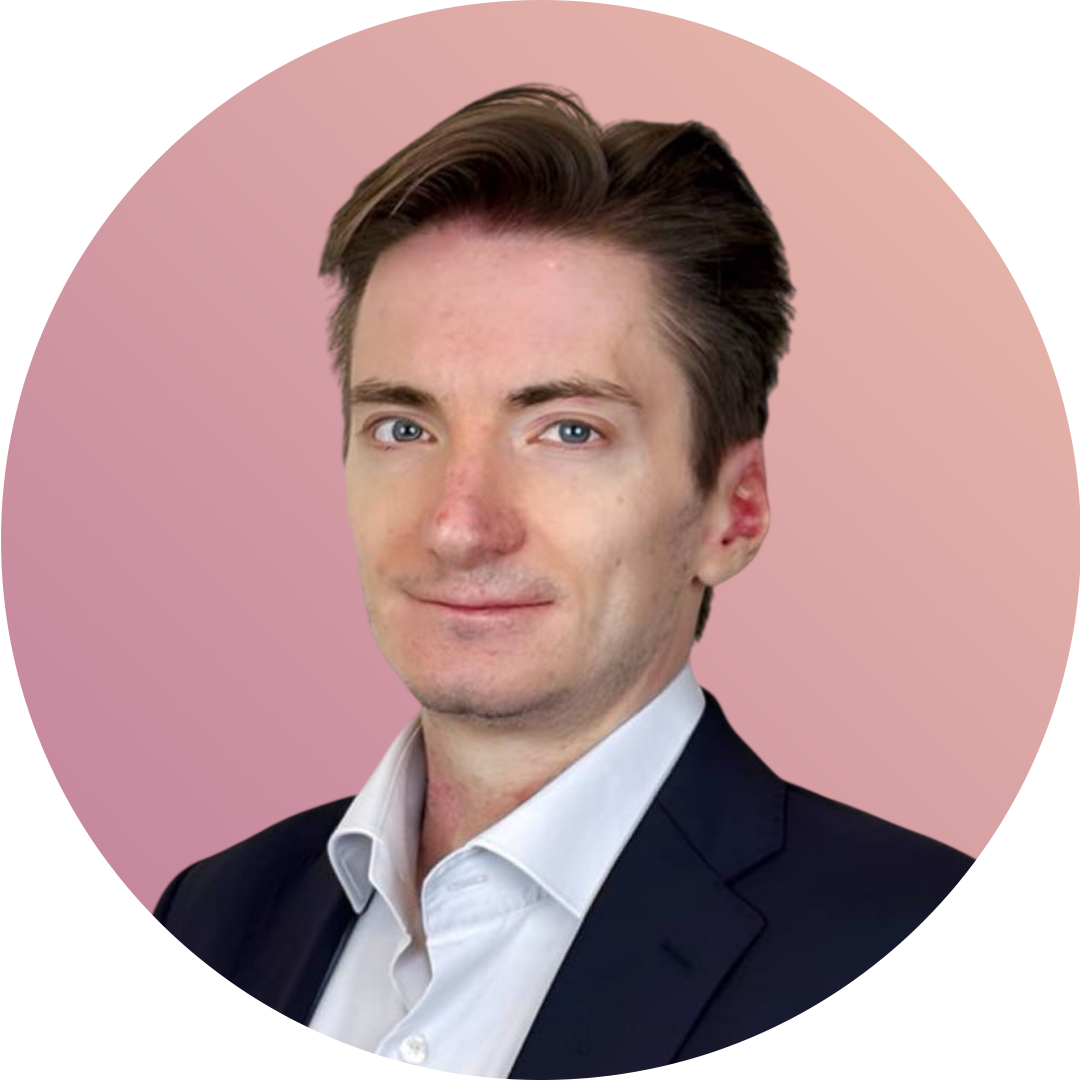
Igor Chuvstvinov (Russia)
Commercial Practice Lawyer at Nevsky IP Law, Registered Patent Attorney, Lecturer and Researcher at the Department of Intellectual Property Law, Kutafin Moscow State Law University (MSAL)
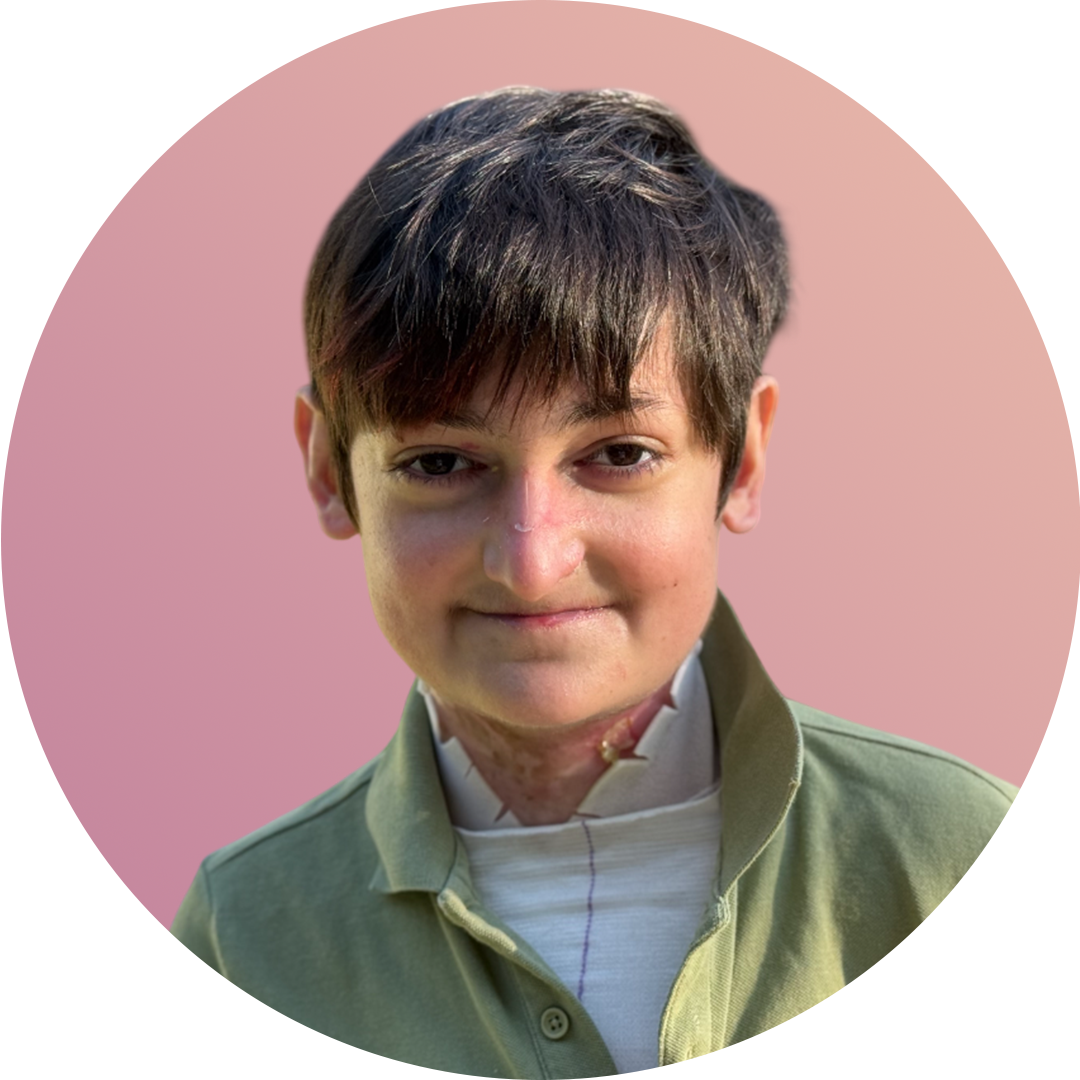
Nikolas Kozynda (Russia)
A 15-year-old child living with epidermolysis bullosa (“butterfly child”), founder of the knitted goods brand Nik Kozynda
Ivan Kuratov (Russia)
1th grade student, Son of a rare mother
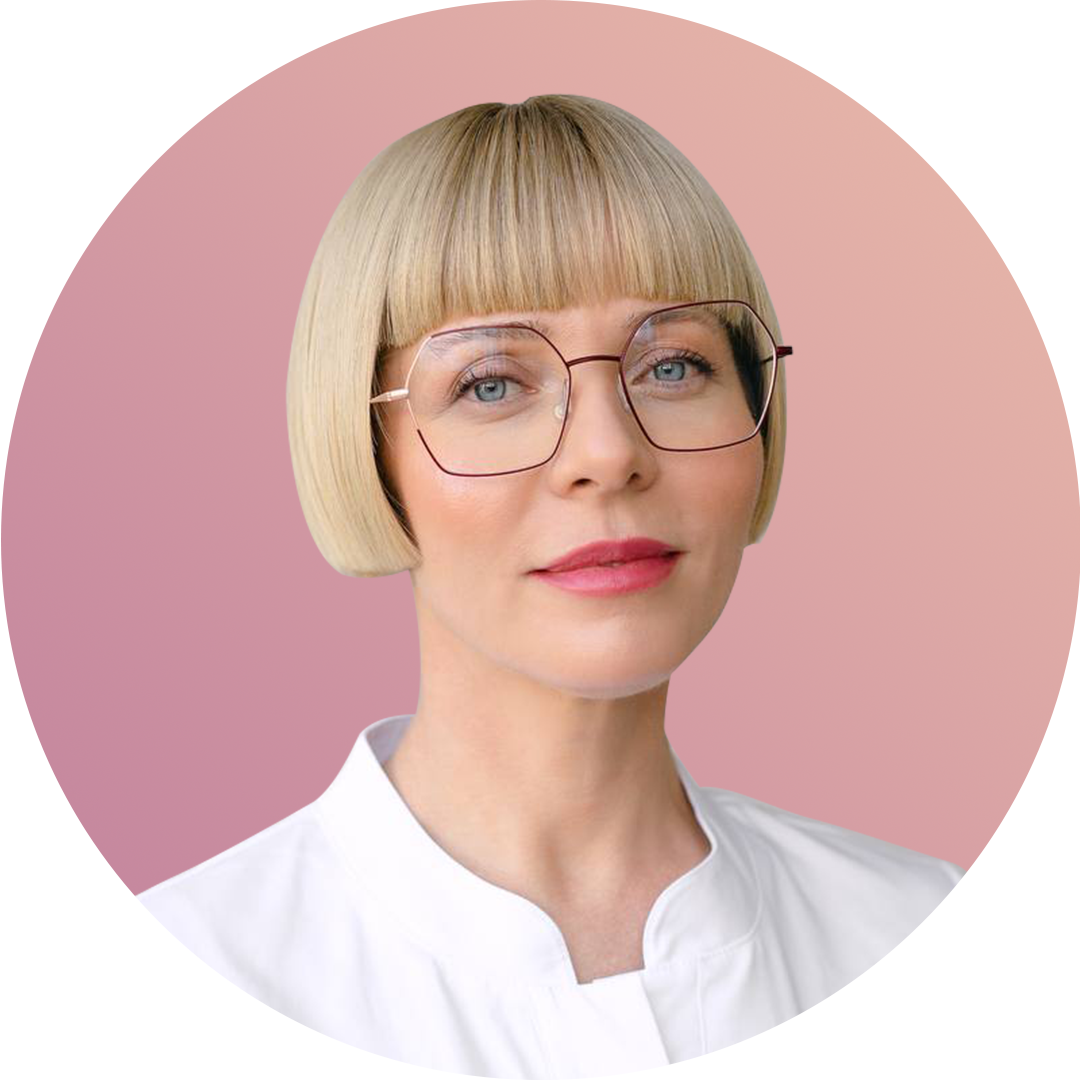
Elena Belonogova de Torrejon (Russia, UK)
Medical Consultant at the Butterfly Children Foundation, Pediatrician, Dietitian, and Pediatric Neurologist
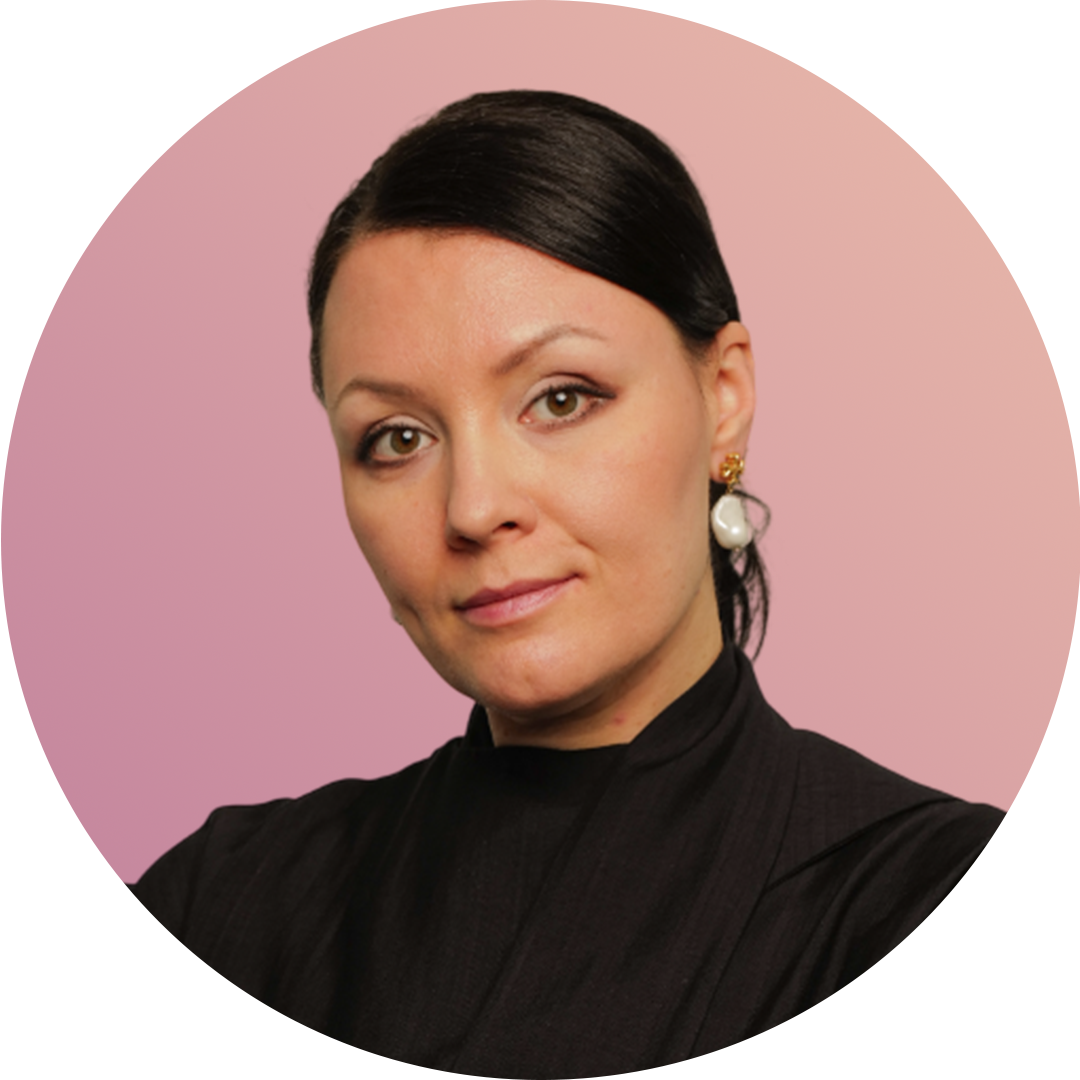
Viktoriya Polenova (Russia)
PhD, Head of the Scientific Project Development Department of the Butterfly Children Charitable Foundation, President of the International Association of Healthcare Executives, Lecturer at the All-Russian Scientific Research Institute of Medical Technologies (VNIIIMT) of Roszdravnadzor
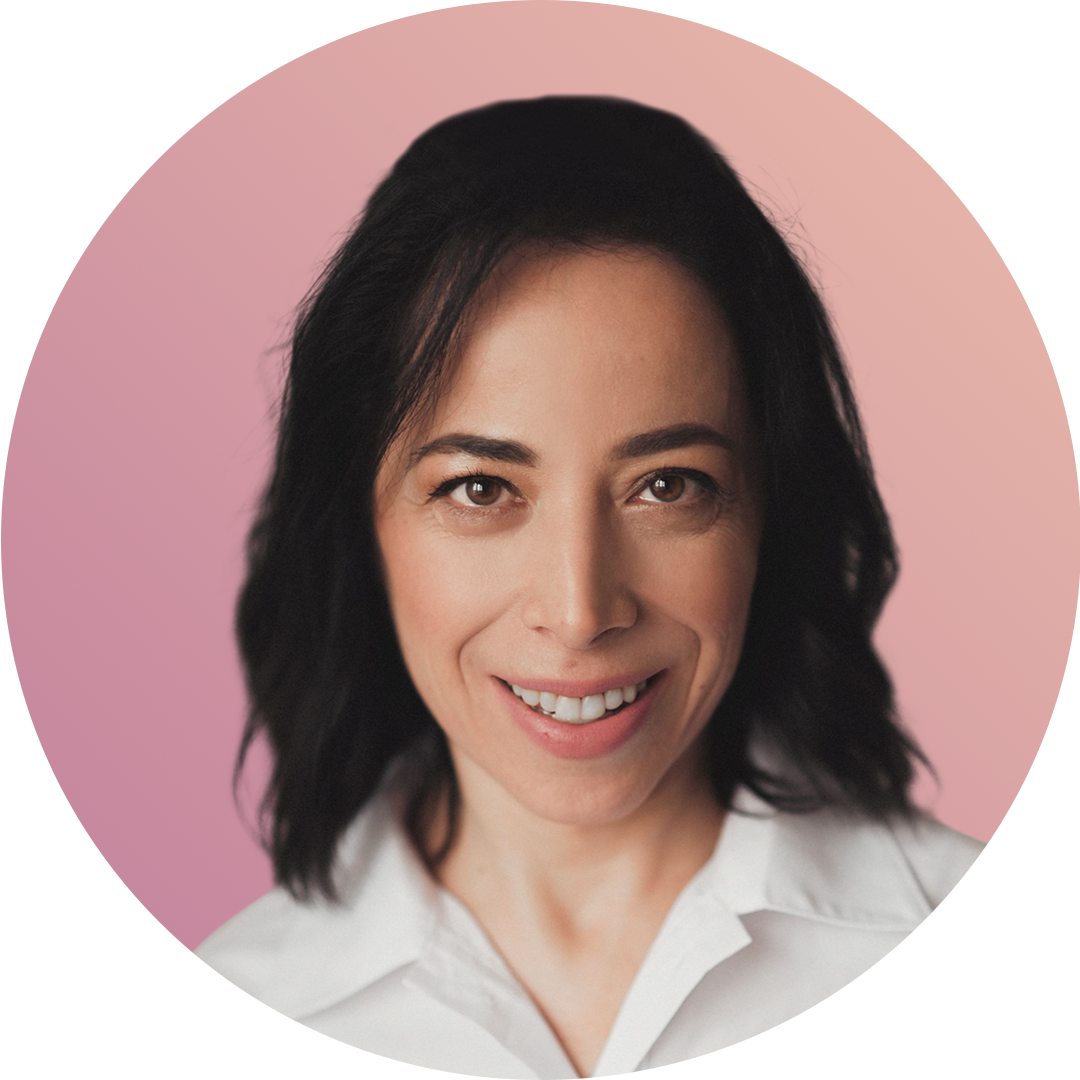
Roza Mamleeva (Russia)
Public speaking and systems thinking coach. Certified Bosphorus Cross-Continental Swimming Race finalist
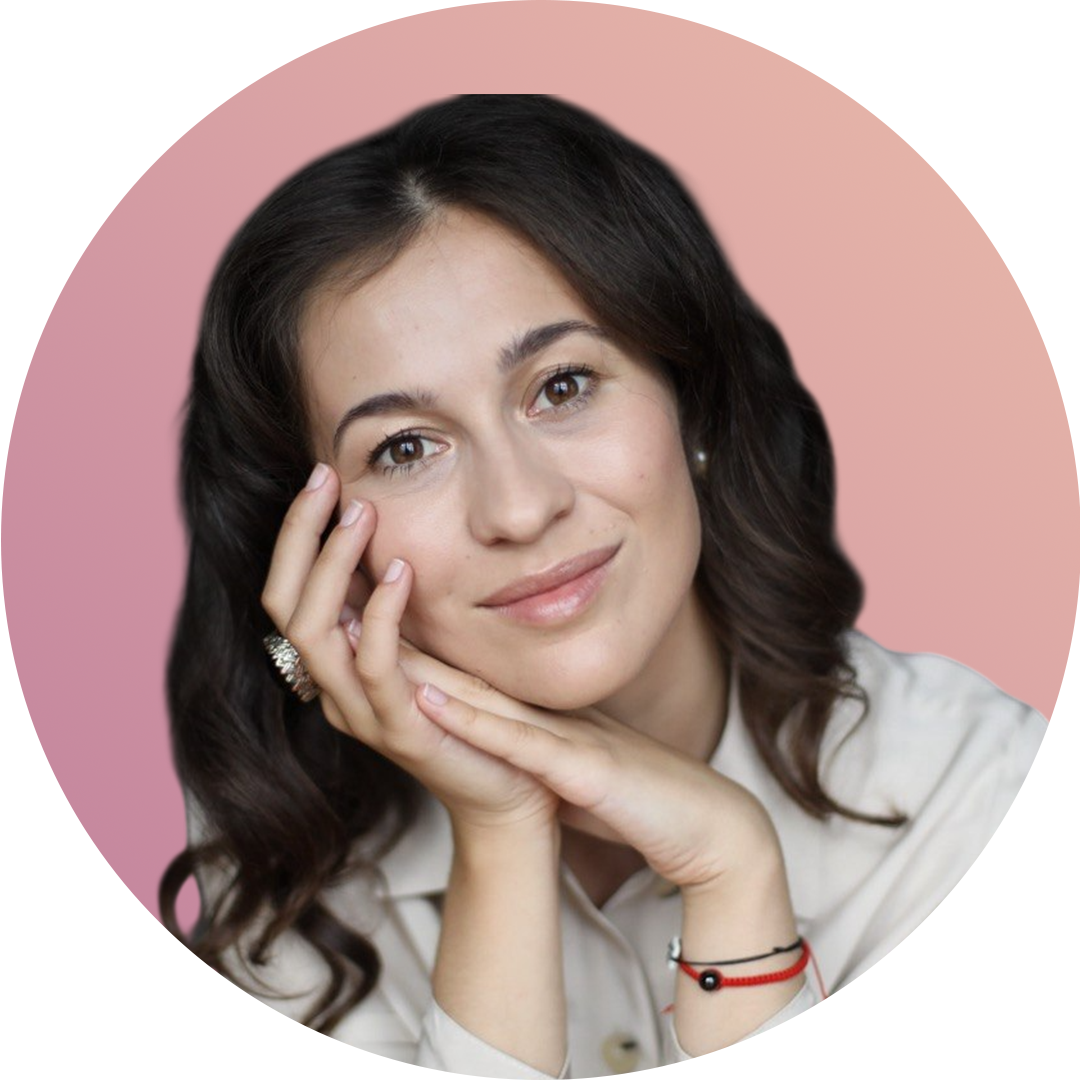
Oksana Gorchakova (Russia)
CEO of Center for the Development of International Sociocultural and Business Relations "Bridges"; Coach ICF;
Indian Philosophy Teacher
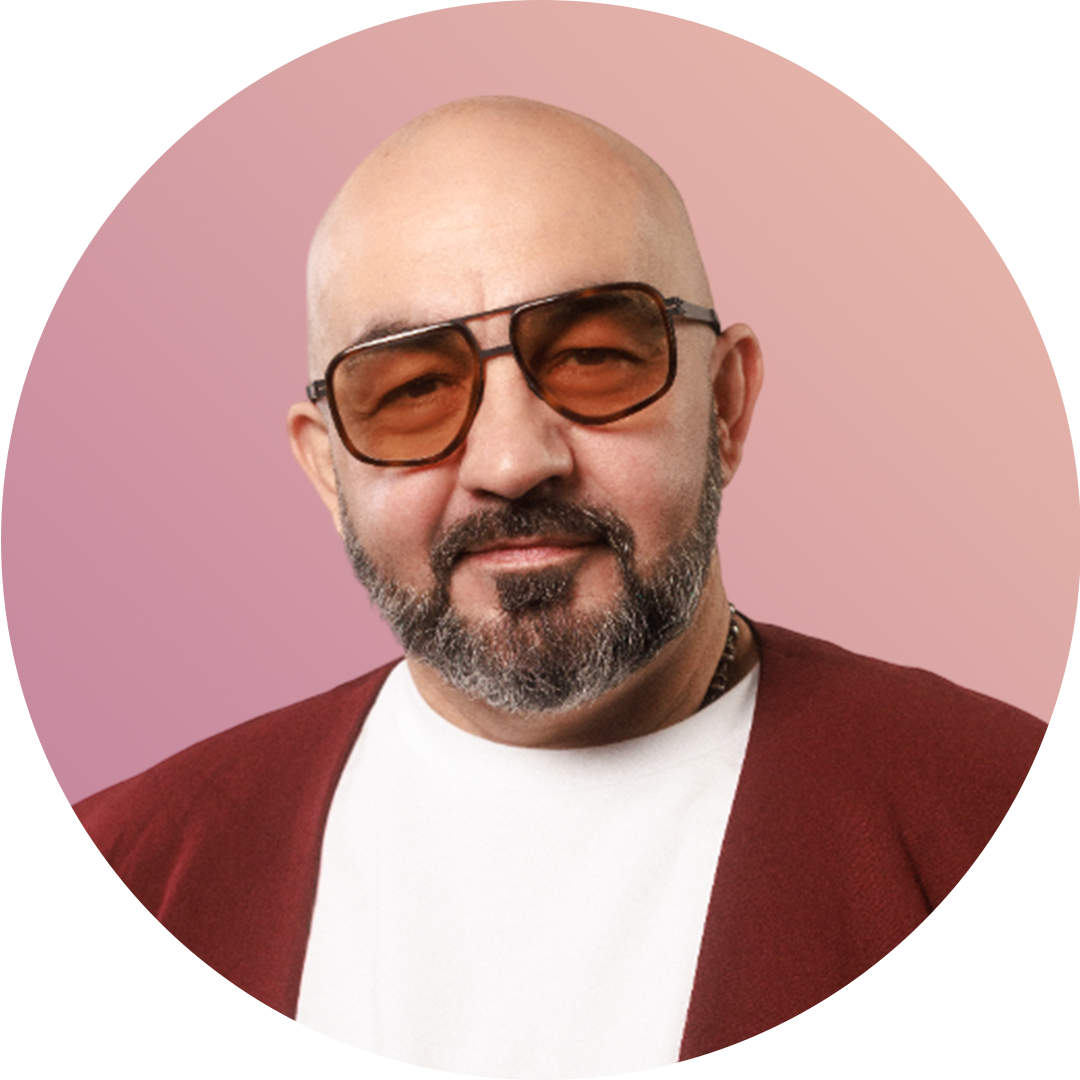
Sergey Nasibyan (Russia)
Business coach, psychologist, consultant
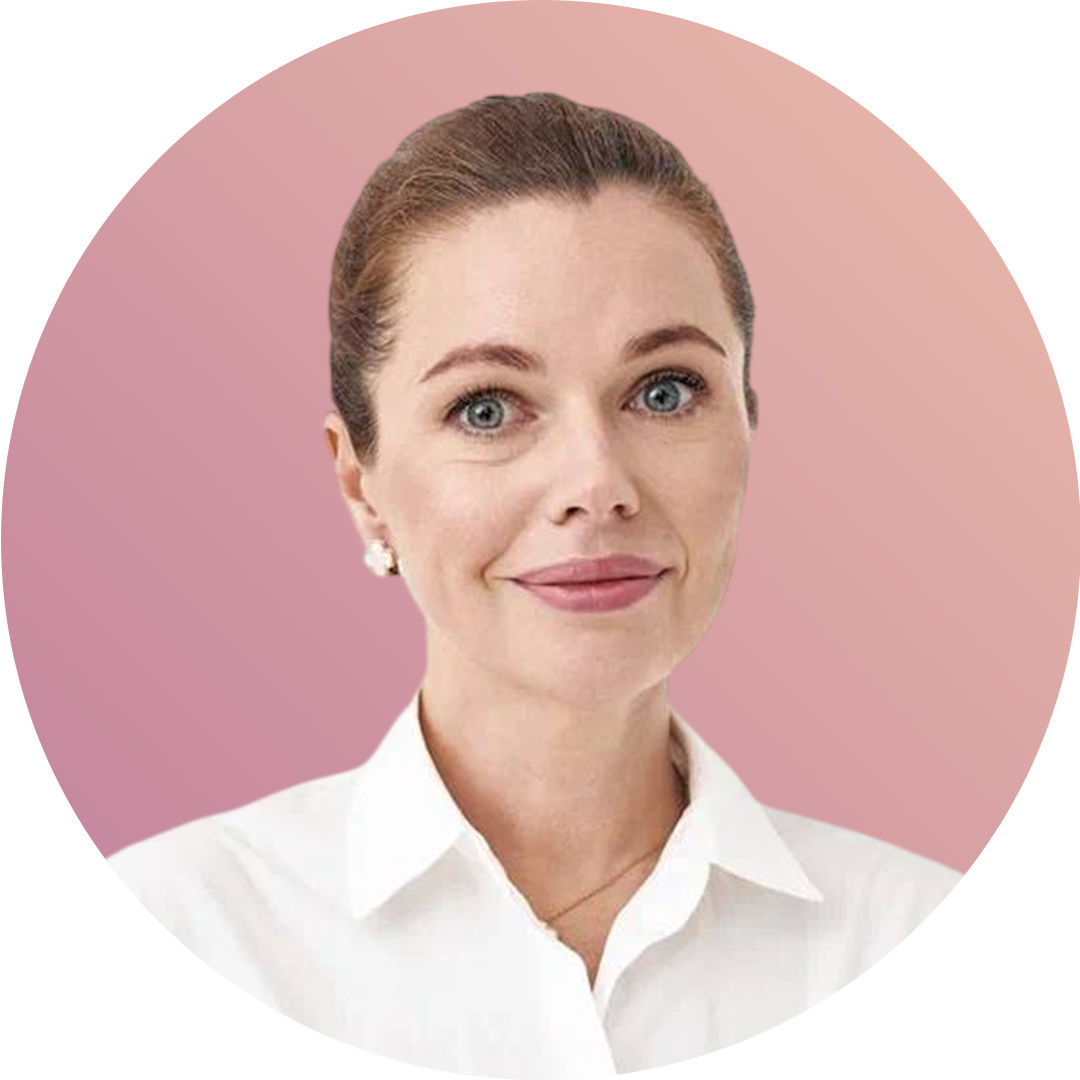
Olga Gremyakova (Russia)
Founder of the Gordey Foundation
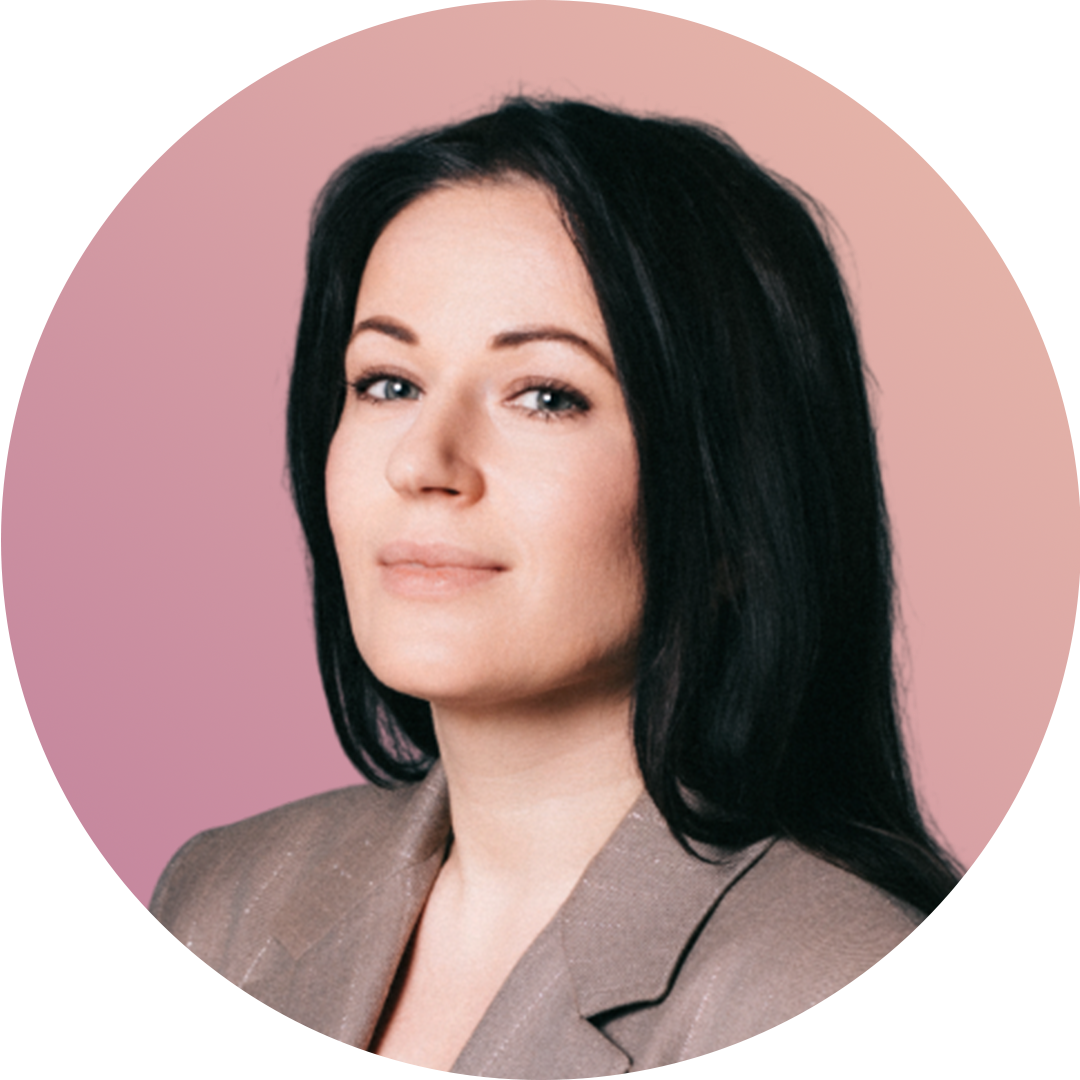
Anastasiya Cherepanova (Russia)
Executive Director of the “Life as a Miracle” Charitable Foundation
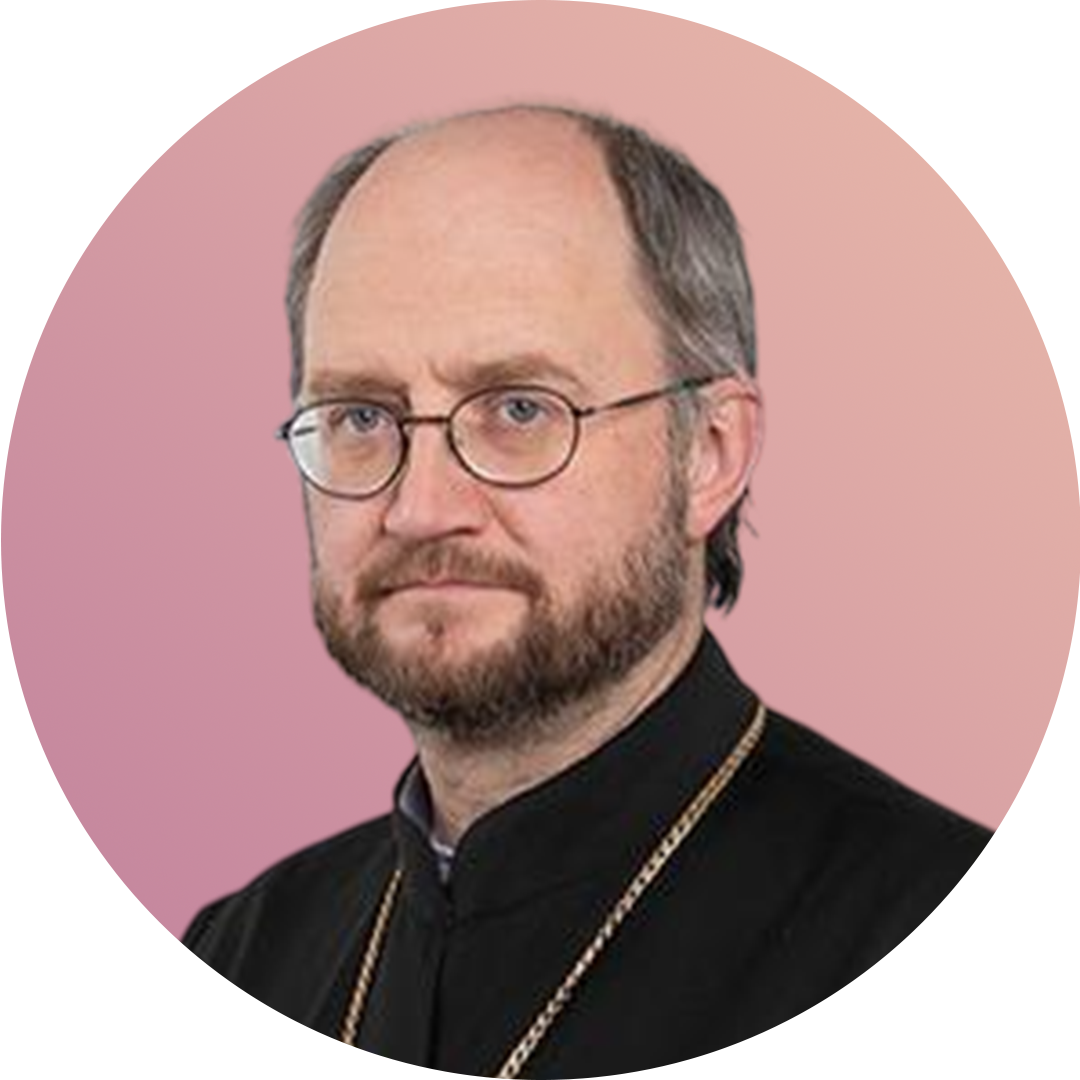
Alexander Tkachenko (Russia)
Chairman of the Board of the Presidential Foundation "Krug Dobra", Chairman of the Commission of the Public Chamber of the Russian Federation on Charity and Social Work, Archpriest
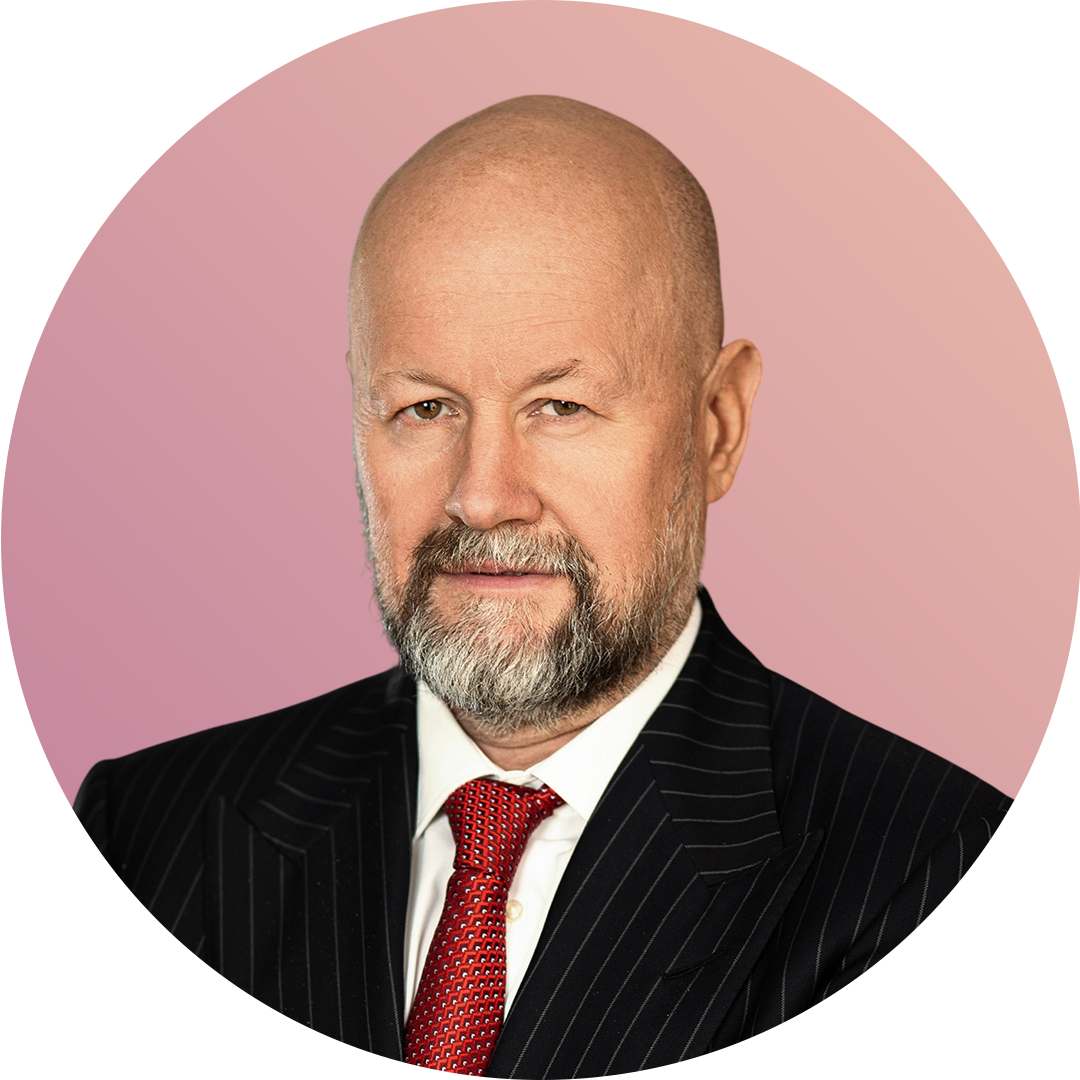
Vasiliy Ignatiev (Russia)
CEO of R-Pharm Group
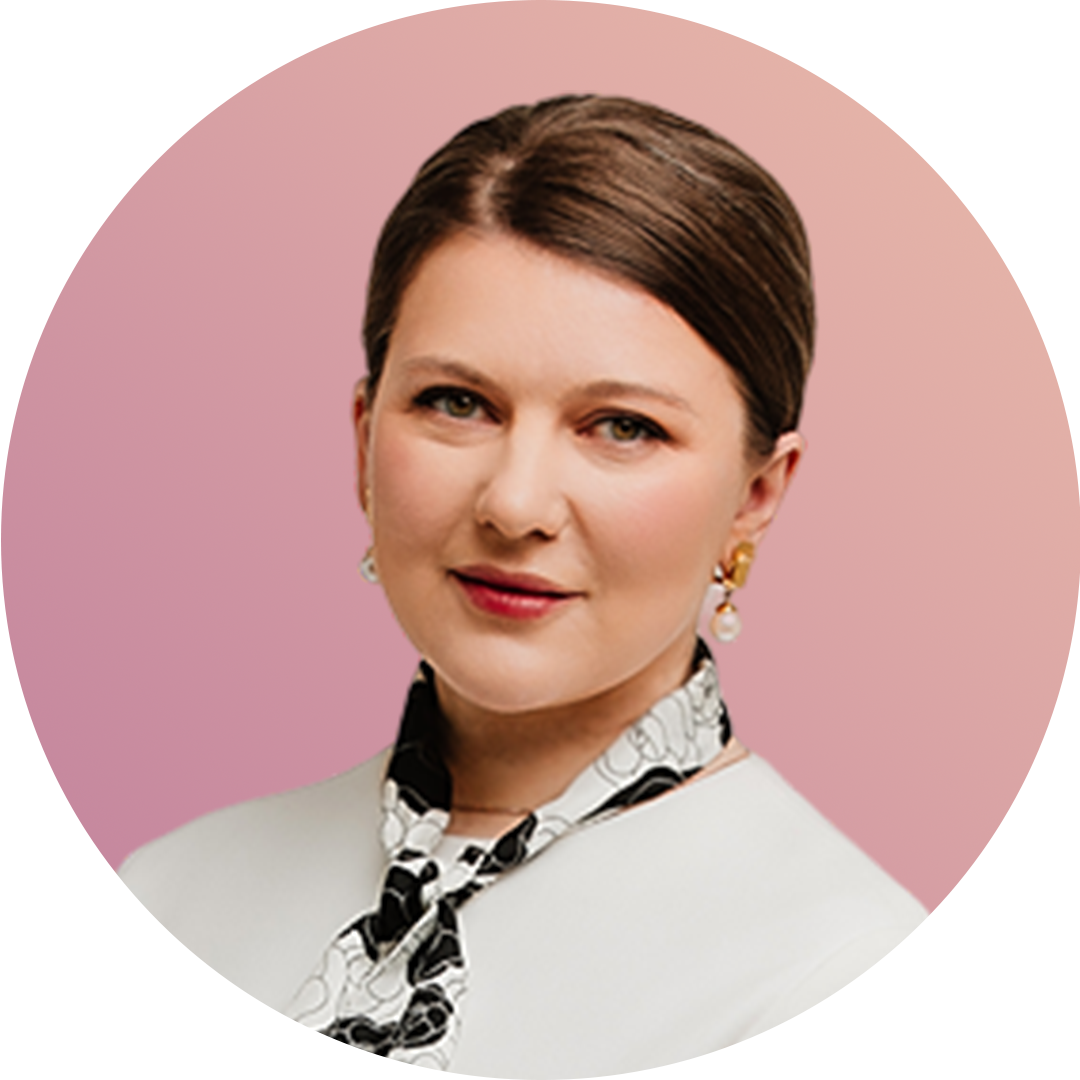
Alena Yartseva (Kuratova) (Russia)
CEO of Rare Women
Program
Plenary session
10:10 — 11:30
Speakers
Alena Yartseva (Kuratova) (Russia)
CEO of Rare Women
Alexander Tkachenko (Russia)
Chairman of the Board of the Presidential Foundation "Krug Dobra", Chairman of the Commission of the Public Chamber of the Russian Federation on Charity and Social Work, Archpriest
Vasiliy Ignatiev (Russia)
CEO of R-Pharm Group
Viktoriya Polenova (Russia)
PhD, Head of the Scientific Project Development Department of the Butterfly Children Charitable Foundation, President of the International Association of Healthcare Executives, Lecturer at the All-Russian Scientific Research Institute of Medical Technologies (VNIIIMT) of Roszdravnadzor
A Shared Architecture of Care
12:00 — 13:30
Hall 1
Rare diseases have long been perceived as a private family issue. Today, they are becoming a matter of public policy.
Whether the state recognizes rare diseases as part of its social and healthcare responsibility determines:
access to treatment
financial support for families
development of diagnostics
access to orphan drugs
sustainability of the support system
This session explores how different countries are shaping public policy in the field of rare diseases — from legislation to the financing of therapies.
Key session topics:
1. Rare diseases as a domain of state responsibility
2. National policy models in the field of rare diseases
3. Access to orphan drugs: economics and decision-making
4. Patient organizations as partners of the state
Whether the state recognizes rare diseases as part of its social and healthcare responsibility determines:
access to treatment
financial support for families
development of diagnostics
access to orphan drugs
sustainability of the support system
This session explores how different countries are shaping public policy in the field of rare diseases — from legislation to the financing of therapies.
Key session topics:
1. Rare diseases as a domain of state responsibility
2. National policy models in the field of rare diseases
3. Access to orphan drugs: economics and decision-making
4. Patient organizations as partners of the state
Speakers
Nada Alfy Thabet (Egypt)
Nobel Peace Prize Nominee; Member of the Egyptian Parliament (House of Representatives); Member of the Supreme Advisory Committee for the Rights of Persons with Disabilities; Founder of the Village of Hope
Prasanna Kumar Shirol (India)
Co-founder and Executive Director of ORDI (Organization for Rare Diseases India)
Sheela Upadhyaya (UK)
Founder of Rarely Ordinary, a rare disease specialist consultancy. Co- Chair of HTAi Rare Disease Interest Group
Bithika Ghosh (India)
Secretary of the Muscular Dystrophy Patients' Welfare Society, initiator of the state Rare Disease Clinics project
Rare diseases have long been perceived as a private family issue. Today, they are becoming a matter of public policy.
Whether the state recognizes rare diseases as part of its social and healthcare responsibility determines:
access to treatment
financial support for families
development of diagnostics
access to orphan drugs
sustainability of the support system
This session explores how different countries are shaping public policy in the field of rare diseases — from legislation to the financing of therapies.
Key session topics:
1. Rare diseases as a domain of state responsibility
2. National policy models in the field of rare diseases
3. Access to orphan drugs: economics and decision-making
4. Patient organizations as partners of the state
Read Description
Hide Description
Whether the state recognizes rare diseases as part of its social and healthcare responsibility determines:
access to treatment
financial support for families
development of diagnostics
access to orphan drugs
sustainability of the support system
This session explores how different countries are shaping public policy in the field of rare diseases — from legislation to the financing of therapies.
Key session topics:
1. Rare diseases as a domain of state responsibility
2. National policy models in the field of rare diseases
3. Access to orphan drugs: economics and decision-making
4. Patient organizations as partners of the state
Vitality, Resilience, Alertness
12:00 — 13:30
Hall 2
Vitality as the Foundation of Leadership
12:00 — 13:30
Hall 3
Patient organizations are not merely support groups, but an institutional force shaping policy and standards of care.
Many of these organizations have grown out of the personal initiative of women — mothers and patients — whose жизненная энергия and sense of responsibility have evolved into professional leadership.
Key session topics:
1. From Parental Initiative to Professional Institutions
2. Patient NGOs as Partners in Healthcare Systems
3. International Cooperation and Global Networks
4. Women’s Leadership in the Patient Movement
Many of these organizations have grown out of the personal initiative of women — mothers and patients — whose жизненная энергия and sense of responsibility have evolved into professional leadership.
Key session topics:
1. From Parental Initiative to Professional Institutions
2. Patient NGOs as Partners in Healthcare Systems
3. International Cooperation and Global Networks
4. Women’s Leadership in the Patient Movement
Speakers
Deniz Yılmaz Atakay (Türkiye)
Founder of the PKU Family Association in Türkiye; ESPKU TürkiyeDelegate, GAP Trustee, Trustee and Chairwoman of the Rare Diseases Federation of Türkiye;
Hanaa El-Sadat (Egypt)
Founder of the Yasmine El Samra Foundation – DEBRA Egypt; Member of the Executive Committee of DEBRA International
Angélique Sauvestre (France)
President of DEBRA France; Vice-President of DEBRA International
Parvathy Krishnan (USA)
President of the Parvathy Krishnan Family Foundation
Patient organizations are not merely support groups, but an institutional force shaping policy and standards of care.
Many of these organizations have grown out of the personal initiative of women — mothers and patients — whose жизненная энергия and sense of responsibility have evolved into professional leadership.
Key session topics:
1. From Parental Initiative to Professional Institutions
2. Patient NGOs as Partners in Healthcare Systems
3. International Cooperation and Global Networks
4. Women’s Leadership in the Patient Movement
Read Description
Hide Description
Many of these organizations have grown out of the personal initiative of women — mothers and patients — whose жизненная энергия and sense of responsibility have evolved into professional leadership.
Key session topics:
1. From Parental Initiative to Professional Institutions
2. Patient NGOs as Partners in Healthcare Systems
3. International Cooperation and Global Networks
4. Women’s Leadership in the Patient Movement
Vitality as Influence
14:30 — 16:00
Hall 1
Rare diseases have long remained on the periphery of healthcare and social policy.
Today, however, a new understanding is emerging in many countries: systemic change begins where human vitality and personal stories connect with institutions. When personal initiative, responsibility, and leadership align with institutions, the vitality of individuals transforms into influence capable of changing systems.
This session explores how individual initiatives evolve into sustainable systems that impact the lives of millions.
Key sesston topics:
1. From Initiative to System
2. Inclusion as a New Social Norm
3. Partnership as a Model for the Future
4. The Global Rare Disease Agenda
Today, however, a new understanding is emerging in many countries: systemic change begins where human vitality and personal stories connect with institutions. When personal initiative, responsibility, and leadership align with institutions, the vitality of individuals transforms into influence capable of changing systems.
This session explores how individual initiatives evolve into sustainable systems that impact the lives of millions.
Key sesston topics:
1. From Initiative to System
2. Inclusion as a New Social Norm
3. Partnership as a Model for the Future
4. The Global Rare Disease Agenda
Speakers
Dr. Durhane Wong-Rieger (Canada)
President of the Canadian Organization for Rare Disorders
Ravdeep Singh Anand (India)
Founder and President of the Dystrophy Annihilation Research Trust (DART)
Nadiah Hanim Abdul Latif (Malaysia)
President of the Malaysian Rare Disorders Society (MRDS)
Viktoriya Polenova (Russia)
PhD, Head of the Scientific Project Development Department of the Butterfly Children Charitable Foundation, President of the International Association of Healthcare Executives, Lecturer at the All-Russian Scientific Research Institute of Medical Technologies (VNIIIMT) of Roszdravnadzor
Anastasiya Cherepanova (Russia)
Executive Director of the “Life as a Miracle” Charitable Foundation
Rare diseases have long remained on the periphery of healthcare and social policy.
Today, however, a new understanding is emerging in many countries: systemic change begins where human vitality and personal stories connect with institutions. When personal initiative, responsibility, and leadership align with institutions, the vitality of individuals transforms into influence capable of changing systems.
This session explores how individual initiatives evolve into sustainable systems that impact the lives of millions.
Key sesston topics:
1. From Initiative to System
2. Inclusion as a New Social Norm
3. Partnership as a Model for the Future
4. The Global Rare Disease Agenda
Read Description
Hide Description
Today, however, a new understanding is emerging in many countries: systemic change begins where human vitality and personal stories connect with institutions. When personal initiative, responsibility, and leadership align with institutions, the vitality of individuals transforms into influence capable of changing systems.
This session explores how individual initiatives evolve into sustainable systems that impact the lives of millions.
Key sesston topics:
1. From Initiative to System
2. Inclusion as a New Social Norm
3. Partnership as a Model for the Future
4. The Global Rare Disease Agenda
A Vital Woman as a Family’s Medical Resource
14:30 — 16:00
Hall 2
A rare disease is a medical diagnosis. But its outcome is largely determined by the condition and resources of the family.
When a woman maintains her vitality, receives support, and retains the ability to live her own life, it directly affects the quality of care, treatment adherence, and the resilience of the entire family.
Key session topics:
1. The Mother as a Partner in Care, Not an “Invisible Resource”
2. The Diagnostic Journey: From System Gaps to System Solutions
3. Care Without Self-Destruction: Redistributing Responsibility Within the Family
4. Home Care as an Infrastructure of Family Resilience
When a woman maintains her vitality, receives support, and retains the ability to live her own life, it directly affects the quality of care, treatment adherence, and the resilience of the entire family.
Key session topics:
1. The Mother as a Partner in Care, Not an “Invisible Resource”
2. The Diagnostic Journey: From System Gaps to System Solutions
3. Care Without Self-Destruction: Redistributing Responsibility Within the Family
4. Home Care as an Infrastructure of Family Resilience
Speakers
Dr Gayatri Rangarajan Iyer (India)
PhD, Certified Genetic Counsellor, Scientist - Tata Institute for Genetics and Society, Joint Secretary - Board of Genetic Counseling India
Sushma Gopalan (India)
Clinical Psychologist, PhD; Head of Child Life Services at Manipal Hospital; Founder of Kridavat Child Life and Beyond
Mercedes Alessandri (Chile)
Coordinator of the DEBRA Chile Home Nursing Care Program; Registered Nurse
Dr. Omar Jagne (Gambia)
CEO of Africmed International Hospitals. Chairman of Medical and AntiDoping Committee of Gambia National Olympic Committee
A rare disease is a medical diagnosis. But its outcome is largely determined by the condition and resources of the family.
When a woman maintains her vitality, receives support, and retains the ability to live her own life, it directly affects the quality of care, treatment adherence, and the resilience of the entire family.
Key session topics:
1. The Mother as a Partner in Care, Not an “Invisible Resource”
2. The Diagnostic Journey: From System Gaps to System Solutions
3. Care Without Self-Destruction: Redistributing Responsibility Within the Family
4. Home Care as an Infrastructure of Family Resilience
Read Description
Hide Description
When a woman maintains her vitality, receives support, and retains the ability to live her own life, it directly affects the quality of care, treatment adherence, and the resilience of the entire family.
Key session topics:
1. The Mother as a Partner in Care, Not an “Invisible Resource”
2. The Diagnostic Journey: From System Gaps to System Solutions
3. Care Without Self-Destruction: Redistributing Responsibility Within the Family
4. Home Care as an Infrastructure of Family Resilience
Vitality as a Choice
14:30 — 16:00
Hall 3
This session addresses what matters most: a rare diagnosis is not only a medical and social challenge.
It is an existential journey. Through cultural pressure, stigma, loss, fear, and uncertainty,
a woman undergoes a transformation:
from being blamed — to becoming a leader,
from isolation — to community,
from fear — to inner grounding.
Along this path, vitality becomes a choice — to continue living, acting, and finding meaning even in conditions of uncertainty.
Key session topics
1. Stigma, guilt, and cultural pressure
2. From personal tragedy to leadership
3. Living with uncertainty
4. The hero’s journey: the courage of everyday life
It is an existential journey. Through cultural pressure, stigma, loss, fear, and uncertainty,
a woman undergoes a transformation:
from being blamed — to becoming a leader,
from isolation — to community,
from fear — to inner grounding.
Along this path, vitality becomes a choice — to continue living, acting, and finding meaning even in conditions of uncertainty.
Key session topics
1. Stigma, guilt, and cultural pressure
2. From personal tragedy to leadership
3. Living with uncertainty
4. The hero’s journey: the courage of everyday life
Speakers
Catherine Jayasuriya (USA)
Founder and Executive Director of Coalition Duchenne; Director, Producer
Vlasta Zmazek (Croatia)
President of DEBRA Croatia; Member of the Executive Committee of DEBRA International; Board Member of RareResourceNet
Clair Malik (Egypt)
Founder and Director of the Deaf Unit at the Diocese of Egypt of the Anglican Church in Cairo
Anastasia Sherikhora (Russia)
Board Member of Cystic Fibrosis Parents’ Association “In One Breath”; founder of CF Kids online group; interpreter and intercultural communication specialist; licensed Moscow tour guide
This session addresses what matters most: a rare diagnosis is not only a medical and social challenge.
It is an existential journey. Through cultural pressure, stigma, loss, fear, and uncertainty,
a woman undergoes a transformation:
from being blamed — to becoming a leader,
from isolation — to community,
from fear — to inner grounding.
Along this path, vitality becomes a choice — to continue living, acting, and finding meaning even in conditions of uncertainty.
Key session topics
1. Stigma, guilt, and cultural pressure
2. From personal tragedy to leadership
3. Living with uncertainty
4. The hero’s journey: the courage of everyday life
Read Description
Hide Description
It is an existential journey. Through cultural pressure, stigma, loss, fear, and uncertainty,
a woman undergoes a transformation:
from being blamed — to becoming a leader,
from isolation — to community,
from fear — to inner grounding.
Along this path, vitality becomes a choice — to continue living, acting, and finding meaning even in conditions of uncertainty.
Key session topics
1. Stigma, guilt, and cultural pressure
2. From personal tragedy to leadership
3. Living with uncertainty
4. The hero’s journey: the courage of everyday life
Man’s hand
16:15 - 17:45
Hall 1
Speakers
Ravdeep Singh Anand (India)
Founder and President of the Dystrophy Annihilation Research Trust (DART)
Igor Chuvstvinov (Russia)
Commercial Practice Lawyer at Nevsky IP Law, Registered Patent Attorney, Lecturer and Researcher at the Department of Intellectual Property Law, Kutafin Moscow State Law University (MSAL)
Nikolas Kozynda (Russia)
A 15-year-old child living with epidermolysis bullosa (“butterfly child”), founder of the knitted goods brand Nik Kozynda
Ivan Kuratov (Russia)
1th grade student, Son of a rare mother
Dr. Omar Jagne (Gambia)
CEO of Africmed International Hospitals. Chairman of Medical and AntiDoping Committee of Gambia National Olympic Committee
Vitality and Creation
16:15 — 17:45
Hall 2
This session demonstrates that a rare diagnosis is not only a medical story — it is a point of origin for women’s leadership.
For many women, a rare diagnosis becomes the moment when vitality transforms into action, giving rise to new forms of support, solidarity, and social change.
Key section topics:
1. From personal experience to a social movement
2. Community as a source of strength
3. From accepting the diagnosis to seeking solutions
4. Personal experience as a social resource
For many women, a rare diagnosis becomes the moment when vitality transforms into action, giving rise to new forms of support, solidarity, and social change.
Key section topics:
1. From personal experience to a social movement
2. Community as a source of strength
3. From accepting the diagnosis to seeking solutions
4. Personal experience as a social resource
Speakers
Sophia Pesotchinsky (USA)
Founder of the Vera Pesotchinsky Research Foundation; Member of NTSAD
Shikha Metharamani (India)
President and Founder of the Indian Prader-Willi Syndrome Association (IPWSA)
Shruti Gupta (India)
Founder of LAMA2India
Priscilla Vicent Chassama (Tanzania)
Co-Founder, Tanzania Sicklecell Warriors Organisation (TASIWA), and a sickle cell disease advocate
This session demonstrates that a rare diagnosis is not only a medical story — it is a point of origin for women’s leadership.
For many women, a rare diagnosis becomes the moment when vitality transforms into action, giving rise to new forms of support, solidarity, and social change.
Key section topics:
1. From personal experience to a social movement
2. Community as a source of strength
3. From accepting the diagnosis to seeking solutions
4. Personal experience as a social resource
Read Description
Hide Description
For many women, a rare diagnosis becomes the moment when vitality transforms into action, giving rise to new forms of support, solidarity, and social change.
Key section topics:
1. From personal experience to a social movement
2. Community as a source of strength
3. From accepting the diagnosis to seeking solutions
4. Personal experience as a social resource
Separation of the Diagnosis from the Identity
16:15 — 17:45
Hall 3
A rare disease often turns a person into an “object” of care, treatment, and decisions made by others.
But women living with a diagnosis are increasingly saying: “I am not only a patient. I am the subject of my own life.”
A rare diagnosis does not erase the woman.
Key session topics:
1. From patient to subject of one’s own life
2. Stigma, guilt, and social isolation
3. Community as a space of strength
4. The voice of women with a diagnosis in the global movement
But women living with a diagnosis are increasingly saying: “I am not only a patient. I am the subject of my own life.”
A rare diagnosis does not erase the woman.
Key session topics:
1. From patient to subject of one’s own life
2. Stigma, guilt, and social isolation
3. Community as a space of strength
4. The voice of women with a diagnosis in the global movement
Speakers
Roza Mamleeva (Russia)
Public speaking and systems thinking coach. Certified Bosphorus Cross-Continental Swimming Race finalist
Toni Roberts and Cady Ward (South Africa)
Co-founders of DEBRA South Africa
Natalia Skrebtsova (Russia)
Executive Director of the Butterfly Children Foundation
Veronika Volokha (Russia)
Chair of the Khabarovsk District branch of the All-Russian Society of Disabled Persons (VOI). Educator and organizer of adaptive cultural and community events for people with disabilities
Setsuko Shiraishi (Mexico)
Executive Director of DEBRA Mexico and Member of the Executive Committee of DEBRA International.
A rare disease often turns a person into an “object” of care, treatment, and decisions made by others.
But women living with a diagnosis are increasingly saying: “I am not only a patient. I am the subject of my own life.”
A rare diagnosis does not erase the woman.
Key session topics:
1. From patient to subject of one’s own life
2. Stigma, guilt, and social isolation
3. Community as a space of strength
4. The voice of women with a diagnosis in the global movement
Read Description
Hide Description
But women living with a diagnosis are increasingly saying: “I am not only a patient. I am the subject of my own life.”
A rare diagnosis does not erase the woman.
Key session topics:
1. From patient to subject of one’s own life
2. Stigma, guilt, and social isolation
3. Community as a space of strength
4. The voice of women with a diagnosis in the global movement
Supported by
Patron
 R-Pharm Group provides comprehensive solutions for the healthcare system, specializing in research, development, and manufacturing of pharmaceuticals, laboratory equipment, and medical devices.
The company operates 11 high-tech production facilities, each compliant with international quality standards. Today, the Group’s portfolio includes more than 100 proprietary products, making a significant contribution to strengthening the fight against a range of serious diseases.
R-Pharm Group provides comprehensive solutions for the healthcare system, specializing in research, development, and manufacturing of pharmaceuticals, laboratory equipment, and medical devices.
The company operates 11 high-tech production facilities, each compliant with international quality standards. Today, the Group’s portfolio includes more than 100 proprietary products, making a significant contribution to strengthening the fight against a range of serious diseases.
 “Pierre Fabre” is the second-largest private pharmaceutical group in France, the founder of the dermocosmetics category, and a company with more than 35 years of experience in oncology, offering a wide range of treatment solutions. We care about quality of life by creating and developing innovative solutions and contributing to people’s well-being, health, and beauty.
Philanthropist
 A modern, rapidly growing Russian pharmaceutical company and one of the leaders in growth within the national pharma industry.
A manufacturer and distributor of medicines, and a key supplier under the high-cost diseases program and for the “Krug dobra” Foundation supporting children with severe and life-threatening conditions.
The company is implementing two Special Investment Contracts: for the production of plasma-derived medicines and oncology treatments. As part of these projects, new production, laboratory, and warehouse facilities are being built, advanced technologies are being transferred, and a plasma storage facility is being established.
In partnership with regional healthcare authorities, the company is also developing a modern plasma collection system and promoting voluntary blood donation.
The Skopinpharm plant is located in Industrial Zone No. 1 of the Skopin district, Ryazan region.
A modern, rapidly growing Russian pharmaceutical company and one of the leaders in growth within the national pharma industry.
A manufacturer and distributor of medicines, and a key supplier under the high-cost diseases program and for the “Krug dobra” Foundation supporting children with severe and life-threatening conditions.
The company is implementing two Special Investment Contracts: for the production of plasma-derived medicines and oncology treatments. As part of these projects, new production, laboratory, and warehouse facilities are being built, advanced technologies are being transferred, and a plasma storage facility is being established.
In partnership with regional healthcare authorities, the company is also developing a modern plasma collection system and promoting voluntary blood donation.
The Skopinpharm plant is located in Industrial Zone No. 1 of the Skopin district, Ryazan region.
 FARMAMONDO-BIOMEDICA is a major global supplier of pharmaceutical products, enabled by its unique infrastructure and extensive geographic reach. Our goal is to ensure that patients have access to the medications they need. Our mission is to support pharmaceutical companies in expanding access to their treatments by supplying medicines to patients in countries where they are not yet registered, while adhering to the principles of ethical business practice. This is achieved through the implementation of personalized access programs, delivering medicines to individual patients, with the potential for subsequent product registration in certain territories. We bring knowledge and expertise at every stage of the product lifecycle. Our aim is to become a trusted partner for healthcare organizations and pharmaceutical companies, helping them provide patients in need with innovative therapies that would otherwise remain inaccessible.
Project Partners




Media Partners


















Contacts
For participation inquiries
Media accreditation and information partnership